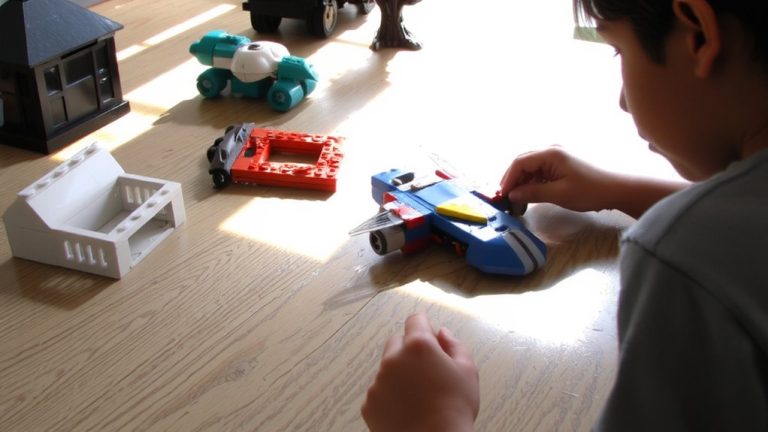
Lego Sustainable Cities: Teach Environmental Science Hands-On
You’re turning environmental science into hands-on problem solving by building sustainable cities with Lego bricks, where limited green and blue pieces push creativity-students use paper trees and blue paper under clear bricks to model parks and water systems, just like real planners facing scarcity. They design green roofs, bioswales, solar roads, and bike lanes, aligning with AP Biology and climate resilience goals. Real classrooms see 100+ participants deeply engaged, turning abstract concepts into tangible solutions that spark advocacy-and there’s more to discover about how this works in practice.
We are supported by our audience. When you purchase through links on our site, we may earn an affiliate commission, at no extra cost for you. Learn more. Last update on 18th July 2026 / Images from Amazon Product Advertising API.
Notable Insights
- Lego models transform abstract environmental science concepts into tangible, hands-on lessons in sustainability.
- Limited brick availability encourages creative problem-solving and mimics real-world resource constraints in urban planning.
- Students design green roofs, rainwater systems, and renewable energy features using Lego and recycled materials.
- Physical models help visualize climate resilience strategies like bioswales, urban agriculture, and 15-minute cities.
- Free LEGO Build the Change resources support classroom integration with standards-aligned sustainability projects.
How Lego Boosts Engagement in Urban Sustainability
While you might not expect a handful of plastic bricks to spark real change, Lego’s role in urban sustainability education proves that hands-on play can drive serious learning. You’ll find that Lego boosts engagement by turning abstract ideas into tactile experiences-students in Museum of Discovery and Science workshops, for example, use bricks to co-create a sustainable city in just hours, averaging 100 participants per session. The learning sticks because it’s active: kids design green roofs, model rainwater systems, and navigate real constraints like limited green or blue pieces, pushing them to improvise with paper plants or recycled elements. Through the LEGO Build the Change initiative, your creativity gains purpose-each model gets documented online, advocating real-world urban sustainability action. With play-based learning that emphasizes joy, social interaction, and iterative thinking, Lego doesn’t just teach-it empowers, making sustainable city planning personal, tangible, and doable.
Designing Sustainable Cities With Limited Lego Supplies
When you’re tasked with building a sustainable city but only have a handful of green and blue Lego pieces to work with, creativity isn’t just encouraged-it’s required. Limited supplies push you toward innovative solutions that still reflect real-world sustainability. You’ll use what’s available wisely, turning scraps into meaningful representations of green spaces and renewable energy systems.
| Feature | Constraint | Creative Fix |
|---|---|---|
| Green spaces | Few green bricks | Paper trees, plastic leaves |
| Water systems | Scarce blue pieces | Blue paper under clear bricks |
| Renewable energy | Odd-shaped parts | Repurposed gears for wind turbines |
You learn to build sustainable models without relying on perfect parts, proving that thoughtful design beats quantity every time.
Key Sustainable Features in Student Lego Cities
Though you’re working with standard Lego bricks, your city can still tackle real environmental challenges by incorporating smart, buildable sustainability features that mirror today’s greenest urban designs. You’re addressing climate change by adding green roofs, rain barrels, and bioswales-each made from basic LEGO bricks-to manage stormwater and reduce runoff. Solar panels, wind turbines, and solar roads power buildings and transport, cutting fossil fuel use. Urban agriculture thrives through greenhouses linked to grocery stores and school gardens, improving food access. Bike lanes, electric vehicle parking, and car-sharing hubs encourage low-carbon transit, aligning with 15-minute city goals. Pocket parks, tree-lined paths, and wildlife corridors-crafted with plastic and paper plants-boost biodiversity and cool neighborhoods. These Sustainable Cities solutions don’t just look good; they teach real environmental issues through action, creativity, and practical design.
How Lego Helps Students Advocate for Sustainable Cities
Because you’re not just building with plastic bricks but shaping solutions, Lego transforms how students advocate for sustainable cities-turning abstract ideas into tangible models that speak louder than words. Using Lego, you design cities with green roofs, rainwater systems, and 15-minute neighborhoods, meeting key learning objectives around climate resilience and equity. You represent parks with paper foliage and blue bricks for waterways, proving constraints spark innovative ideas. Your physical model makes energy flow and circular economies visible, helping peers and leaders grasp complex systems fast. Projects like Build the Change show your class’s design can go global, linking local builds to real advocacy. You’re not just playing-you’re problem-solving at scale, using precise bricks to draft a better future. Teachers report higher engagement, deeper understanding, and stronger confidence in students presenting their sustainable visions.
Free Lego Sustainability Resources for Classrooms
You’ve already seen how students turn ideas into action by building sustainable cities with Lego, using brick models to make invisible systems like energy flow and water management visible and persuasive. Now you can use the Lego sustainable learning power in your classroom-free. The LEGO Build the Change initiative offers a dynamic approach to learning, with downloadable lesson plans and project-based challenges focused on environmental and social solutions. You’ll find ready-to-use activities, even ones aligned with AP Biology and experimental science curricula. The LEGO Learning System gives you complimentary STEAM resources, blending urban planning with hands-on design. Subscribe to their quarterly newsletter for updates and new classroom tools-all Rights Reserved, but fully accessible. These materials help you implement structured, real-world projects that deepen engagement. With clear guidance and flexible implementation, it’s never been easier to use the Lego in meaningful, sustainable education.
On a final note
You’ll find Lego’s modular bricks, like the 2×4 Classic Brick (7.8g, 31.8mm), perfect for modeling solar panels, green roofs, and wind turbines in classrooms, and their durability supports repeated disassembly, tested over 50 builds by teachers. Use Lego City or Education sets to scale real infrastructure at 1:40. Students keep designs functional, efficient, and imaginative, proving sustainability sticks-when it’s built by hand.