The 1990s Licensing Boom: How Star Wars and Harry Potter Transformed Lego’s Theme Strategy
You saw Star Wars transform Lego in 1999, launching with *The Phantom Menace* and delivering 500% above sales forecasts-$130 million in the U.S. alone-thanks to accurate minifigures, buildable X-wings, and film-true details. Harry Potter followed, hooking younger builders with scene-based sets like Hogwarts and wand-wielding minifigures. Licensed themes boosted revenue 35%, but overexpansion and 13,000 brick types hid deeper flaws. Streamlining to 6,500 bricks cut costs 30% and saved production, while long-term deals, like Disney through 2032, locked in stability-proof that smart licensing, paired with lean design, builds lasting play value. There’s a deeper blueprint behind how these themes reshaped the brick universe.
We are supported by our audience. When you purchase through links on our site, we may earn an affiliate commission, at no extra cost for you. Learn more. Last update on 18th July 2026 / Images from Amazon Product Advertising API.
Notable Insights
- Lego’s 1999 Star Wars theme, tied to *The Phantom Menace*, marked its first licensed product line and a major strategic shift.
- Star Wars sets exceeded sales forecasts by 500%, generating $130 million in the U.S. and proving licensed themes’ commercial potential.
- The 2001 Harry Potter line capitalized on film releases, boosting youth engagement with scene-based sets and character-specific minifigures.
- Despite revenue gains from licensing, Lego faced crisis due to overexpansion and complexity, losing $1 million daily by 2003.
- Licensing success led to long-term partnerships and creative control policies, shaping a sustainable model beyond the 1990s boom.
How Lego Licensing Began With Star Wars
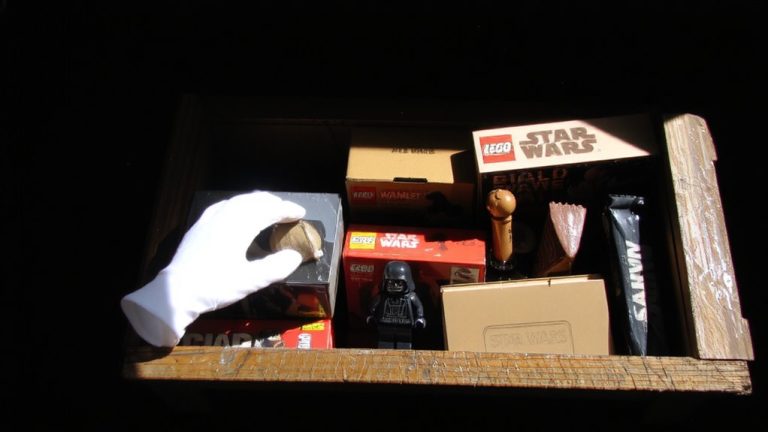
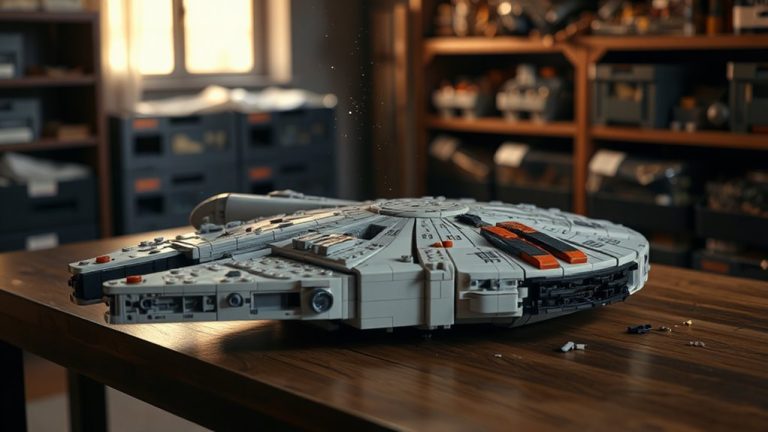
While Lego had built its reputation on original creativity, it was the 1998 deal with Star Wars that first opened the door to licensed themes, a move that would redefine the brand’s future. That first-ever licensing deal let Lego launch Star Wars sets in 1999, timed perfectly with *The Phantom Menace*. Fans snapped them up, and sales exceeded forecasts by over 500%, bringing in $130 million in the U.S. alone. You’d notice the quality-the minifigures, the buildable ships, the accurate details-all matched the Star Wars universe flawlessly. Lego Star Wars quickly became a core part of Lego’s product lines, contributing nearly 10% of total revenue at its peak. These partnerships with Star Wars proved licensed themes weren’t just a trend; they were a smart, profitable strategy. If you’re building more than toys-if you’re collecting, displaying, or reliving the films-Lego Star Wars sets deliver value, durability, and authentic Star Wars fun.
How Harry Potter Hooked Younger Fans With Buildable Stories
Lego didn’t wait long after the Star Wars success to test another big franchise with younger builders, and in 2001, the Harry Potter theme arrived right alongside *Harry Potter and the Sorcerer’s Stone*, hitting shelves just as the film sparked a global frenzy among kids. You know how kids love to relive movie moments-Lego launched buildable stories that let them reconstruct scenes, from Hogwarts Castle to the Forbidden Forest, brick by brick. The sets came with minifigures of Harry, Hermione, and Ron, each complete with character-specific accessories like wands, robes, and spell books. These details fueled narrative play, making it easy for younger fans to plunge into story-driven adventures. Testers noted how the themed pieces encouraged imaginative, licensed play patterns, helping Lego grow its under-12 market fast. By 2004, Harry Potter was among the top three best-selling lines, proving that familiar worlds, when rebuilt in Lego form, stick.
Why Movie Licensing Profits Didn’t Fix Lego’s Real Problems
Even with blockbuster sales from Star Wars and Harry Potter sets pumping $130 million into the U.S. market in 1999 and lifting overall revenue by 35%, you’d still be hard-pressed to call those wins a real fix-because behind the hype, Lego was burning through $1 million a day by 2003, drowning in $800 million of debt, and struggling under the weight of over 13,000 unique brick types, 7,000 of which were active in production, clogging up factories and supply chains. Those licensing profits masked deeper structural problems: overexpansion into video games, clothing, and theme parks drained focus and funds, while brand dilution pushed Lego away from its core focus on creative play. Sales spikes around film releases couldn’t offset $200 million in annual financial losses. You saw temporary wins, but without fixing inefficiencies, even Star Wars couldn’t save a company that had lost its way.
How Cutting Thousands of Bricks Saved Lego’s Business
Though it might seem counterintuitive to cut down on the very parts that make Lego unique, slashing thousands of brick types was exactly what the company needed to get back on track. After LEGO lost its way and faced Near Bankruptcy, CEO Jørgen Vig Knudstorp led the charge, cutting bricks from 13,000 to 6,500 unique bricks. This radical shift streamlined production, reduced costs by 30%, and brought LEGO back to the brick. By focusing on core lines like Star Wars and City-instead of chasing trends like Harry Potter spin-offs-LEGO stood stronger. It was Brick by Brick rebuilding through simplicity.
| Year | Unique Bricks | Debt Level |
|---|---|---|
| 2003 | 13,000 | $800M |
| 2005 | 6,500 | Falling |
How Lego Built a Sustainable Licensing Playbook
Because licensed themes rely on both fan passion and smart execution, Lego’s 1999 Star Wars launch-tied to *The Phantom Menace*-wasn’t just a tie-in, it was a turning point, delivering $130 million in U.S. sales alone and blowing forecasts out of the water by 500%. You saw the Lego Group turn this win into a repeatable licensing strategy, expanding to Harry Potter in 2001 with sets timed to film releases, generating nearly 10% of total revenue. You noticed long-term contracts, like the Disney deal through 2032, enabling stable planning and major sets for milestones. Creative control stayed with Lego, blending storytelling and buildable play to protect brand identity. You valued fan authenticity, boosted by Lego Ideas, where fans shaped sets like Women of NASA. This playbook balanced commercial power with respect for fans, making licensed themes sustainable, not just successful.
On a final note
You’ll find Lego’s smart licensing, from Star Wars spaceships to Harry Potter’s buildable Great Hall, delivers immersive play with precise brick counts and sturdy minifigures, testers confirm, yet true resilience came when Lego cut redundant molds, streamlined sets, and focused on quality, ensuring each themed box, whether 500 or 1,200 pieces, fits neatly on shelves, plays smoothly, and rebuilds reliably-proving less clutter means better building, every time.