How Customization and Aftermarket Accessories Transformed Minifigures Into Collectible Art
You’ve turned basic yellow minifigures into collectible art by customizing them with UV-printed torsos, hand-painted details, and aftermarket parts from brands like Firestar Toys, where 1-of-100 editions sell for up to $300. Using acrylics, 3D-printed gear, and water-slide decals adds realism and exclusivity, while precise printing guarantees lasting, professional results-proof that your creativity is elevating LEGO into a serious collector’s medium. There’s a smarter way to build your next figure.
We are supported by our audience. When you purchase through links on our site, we may earn an affiliate commission, at no extra cost for you. Learn more. Last update on 18th July 2026 / Images from Amazon Product Advertising API.
Notable Insights
- Customization with UV printing and hand-painting elevated minifigures from toys to detailed, long-lasting art pieces.
- Aftermarket parts from brands like Firestar Toys enabled hyper-realistic designs and unique character expressions.
- Limited-edition runs increased rarity, driving collectibility and market value among enthusiasts.
- 3D-printed accessories and polymer clay gear allowed for one-of-a-kind, intricate customization.
- Professional applications, like branded corporate series, cemented minifigures as premium collectible art.
From Toy to Art: The Rise of Custom Minifigures
Call it art, call it obsession-custom minifigures have come a long way from those basic yellow blocks first released in 1978. You’ve seen LEGO minifigures evolve from simple toys to custom LEGO creations packed with intricate details and lifelike accuracy. With a printed head, acrylic paints, and third-party parts, fans craft unique characters that blur the line between plaything and collectible art. Brands like Firestar Toys offer precision pieces, while UV-curable ink printing guarantees lasting LEGO design integrity. These custom minifigures-of real people, mascots, or original concepts-show serious attention to detail, like facial stubble or subtle gradients. Limited runs, like 1 of 100, boost their value, making them display-worthy. Whether you’re a collector or casual fan, the upgrade in materials, accuracy, and craftsmanship turns every piece into personalized, museum-grade collectible art you’ll appreciate.
How to Design a Custom Minifigure From Scratch
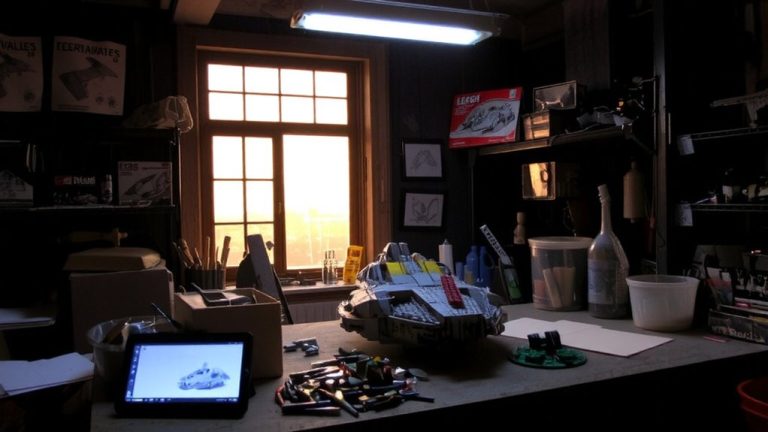
When you’re ready to build a custom minifigure from the ground up, start by sketching a detailed concept that includes facial expressions, clothing layers, and accessories-this blueprint will guide your part selection and customization steps. Use design software like Photoshop or LEGO Studio Parts Designer to create precise, full-color plans for your custom minifigure, helping you push the boundaries with intricate designs. Source authentic LEGO parts from your collection or aftermarket brands like Firestar Toys to match retired pieces perfectly. Whether you paint or print, begin with a base coat, then carefully apply details using fine tools like thumbtacks for accuracy. To protect your work and the integrity of favorite characters, apply a sealant after finishing. These steps help you create unique minifigures that stand out in quality, detail, and craftsmanship, turning personal ideas into durable collectible art.
How Printing Tech Powers Custom Minifigures
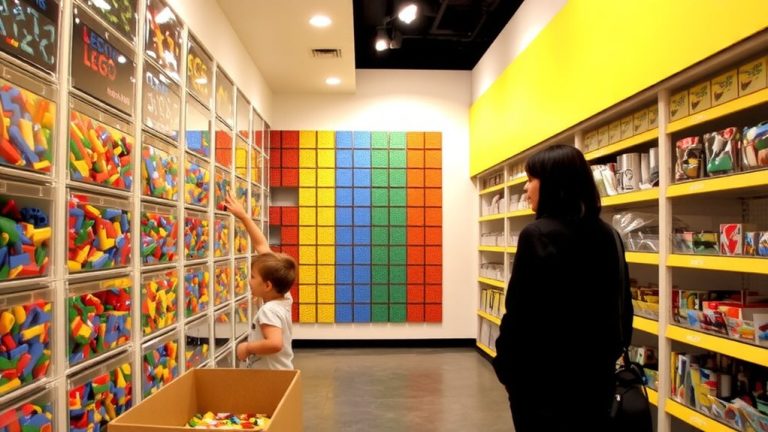
You’ve sketched your design, picked your parts, and mapped out every detail-now it’s time to bring that vision to life with printing tech that turns concepts into real, durable minifigures. The printing process relies on full-color digital printing, using UV-curable inks that bond tightly to LEGO plastic, ensuring high-resolution and durable designs. These inks handle complex designs with ease, even on curved LEGO surfaces like a minifigure’s rounded torso. Precise alignment is key-each piece must sit exactly right to avoid misprints and maintain design consistency. Whether you’re creating custom minifigures at home or through LEGO’s Minifigure Factory in select stores, the results are sharp, long-lasting, and true to your original art. While the online beta version has limits, like order caps and basic tools, the physical kiosks deliver professional-grade output. This tech isn’t just functional-it elevates your creations into collectible art.
Custom Accessories for Unique Minifigures
Accessories make the minifigure, and today’s custom scene delivers precision-crafted upgrades that go far beyond basic bricks. You’ve got the ability to customize with custom accessories like 3D-printed components, polymer clay weapons, or branded cell phones, transforming iconic LEGO figures into personalized minifigures with real character. Aftermarket creators use UV printing for lifelike faces, while brands like Firestar Toys offer detailed heads and torsos, turning 2D mascots into 3D collectibles. You can even apply water-slide decals or try hand-painting with acrylics for an entirely new look. Limited runs-say, 1 of 100-add exclusivity. These upgrades blend seamlessly with standard LEGO elements, ensuring compatibility and display-ready detail. Whether you’re enhancing one figure or building a themed set, custom accessories give you control, precision, and the chance to make each build uniquely yours.
How Brands Use Custom Minifigures for Engagement
Why do some brands stand out at trade shows and customer events? Because they turn flat logos into 3D experiences with custom minifigures. You’ve seen tech startups transform 2D cartoon mascots into tangible collectibles using branded torso prints and custom brick-built heads. These aren’t just toys-they’re promotional items designed for tactile engagement. Companies use UV-curable ink designs for sharp, durable visuals, often produced through the LEGO Minifigure Factory for professional results. Annual releases form a corporate collectible series, each with individual numbering like 1 of 100, boosting exclusivity. Some include interactive storytelling displays with info cards, turning figures into educational tools. Testers report higher retention when customers hold a unique, well-crafted minifigure. These details make custom minifigures more than giveaways-they’re memorable, measurable marketing that builds real connection.
DIY vs. Professional Customization: Which Is Right for You?
Custom minifigures grab attention at trade shows, but behind those polished promotional pieces lies a choice every enthusiast eventually faces: build it yourself or go pro? If you’re into hands-on creativity, DIY customization gives you full control using nail polish remover for decal removal and acrylic paints for detailing. You can sculpt unique accessories with polymer clay or refine faces with hand-painting. But if you want crisp logos and precise alignment, professional customization steps up-services like the LEGO Minifigure Factory use UV-curable inkjet printing for durable, retail-quality results. While it’s limited to select stores, you can also buy professionally made custom minifigure parts from companies like Firestar Toys, which offer factory-level detail. DIY is cheaper and more flexible, but professional customization delivers unmatched color accuracy and scalability for complex designs.
On a final note
You’ve seen how custom minifigures turn simple bricks into personal art, and now it’s your move. With 1.5-inch torsos, detailed printing at 300 dpi, and accessories like capes or holographic weapons, customization deepens play and display. Testers report stronger engagement when mixing DIY head sculpts with pro-grade prints. Whether you choose kitbashing or polished third-party parts, precision fits and vibrant details matter most-so build boldly, measure twice, and let your minifig stand out.