The Role of Lego Archives in Preserving Company History and Prototype Artifacts
You trust LEGO’s quality because the Archives guard every official set, original prototype, and the 1958 stud-and-tube design that defines the brick’s grip and durability. They preserve wooden ducks, test molds, and Godtfred’s notes, ensuring core values shape every build. Digitized catalogs and technical drawings let teams worldwide access decades of innovation instantly. Founders’ lessons, rare correspondence, and restored 1960s molds continue guiding new sets, proving legacy fuels the future-there’s more to uncover about how history shapes what you build today.
We are supported by our audience. When you purchase through links on our site, we may earn an affiliate commission, at no extra cost for you. Learn more. Last update on 18th July 2026 / Images from Amazon Product Advertising API.
Notable Insights
- The LEGO Archives preserve company history by housing every official LEGO set and original prototype since 1932.
- Housed in the original LEGO Idea House, the Archives safeguard rare artifacts, including early wooden toys and technical documents.
- Founder Ole Kirk Kristiansen’s values, like quality varnishing, are maintained through preserved historical records and training integration.
- Prototypes and 1958 stud-and-tube design documents ensure continuity of LEGO’s core innovation and engineering integrity.
- Digitization of catalogs, drawings, and emails enables global access while physical originals remain securely preserved.
Inside the LEGO Archives: Preserving Prototypes and Milestones
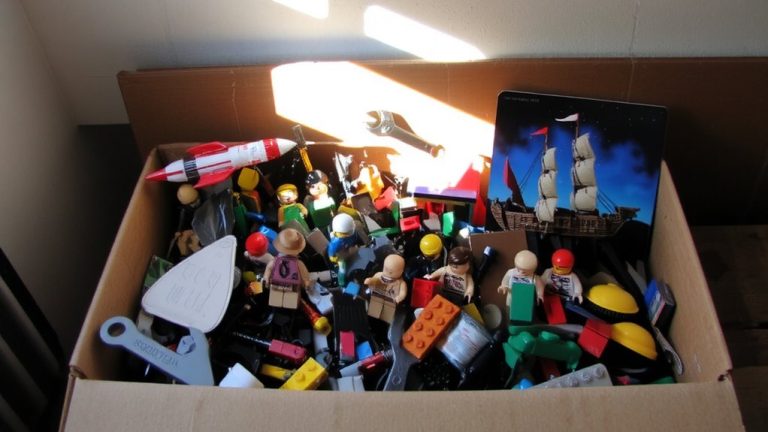
Step inside the LEGO Archives, and you’re walking into the heartbeat of one of the most iconic toy legacies in history. Housed in the original LEGO Idea House, the LEGO Group Archives preserves artifacts that trace every leap of innovation, from early wooden ducks to the revolutionary 1958 patented stud-and-tube design-the foundation of the iconic LEGO brick. You’ll see original prototypes, rare correspondence, and every official set released, meticulously organized. The team scans fragile documents, restores vintage models, and stores critical emails, ensuring prototypes and milestones remain intact. While employee exclusives and GWPs aren’t included, what’s here defines LEGO’s journey. Preserving artifacts isn’t just about storage-it’s about safeguarding creativity, one brick, one blueprint, one moment at a time.
How LEGO Historians Use the Archives to Uphold Core Values
The LEGO historian’s job isn’t just about dusting old boxes or cataloging yellowed sketches-it’s about keeping the company’s DNA alive, brick by brick, through stories that still shape decisions today. When you study bricks from 1958 or read Godtfred’s notes on the stud-and-tube system, you see how innovation and integrity are built in. You hear how Ole Kirk Kristiansen insisted on a third coat of varnish on wooden ducks, proof that quality in making toys was never optional. You revisit that 1990s letter from a Canadian pastor and Kjeld’s reply-accountability in action. These moments, pulled from LEGO history, aren’t just nostalgia; they’re lessons used in training, deeply connected with LEGO® Careers. From minifigure launches to family-led choices, the archives guarantee every move honors four generations of values-so the bricks you build with carry more than shape, they carry principle.
How the LEGO Archives Expanded From Paper to Digital
You’ve seen how LEGO historians pull wisdom from old sketches and handwritten notes to keep the brand’s values alive, but keeping those stories accessible means more than preserving paper-it means getting them online, fast and searchable. The LEGO Archives now rely on digital archiving to digitize decades of historical documents, from product catalogs to technical drawings and internal memos. You can access business-critical emails and modern design files just as easily as scanned blueprints, thanks to hybrid storage methods that balance physical originals with secure digital backups. This shift wasn’t optional-office relocations and corporate changes flooded the archives with material, demanding faster, smarter organization. Digitized records now support teams worldwide, offering instant, remote access without risking fragile originals. Whether it’s a 1958 mold sketch or a 2000s marketing campaign, everything’s easier to find, share, and protect-keeping LEGO’s legacy both safe and usable.
How the LEGO Archives Inspire Future Brick Innovations
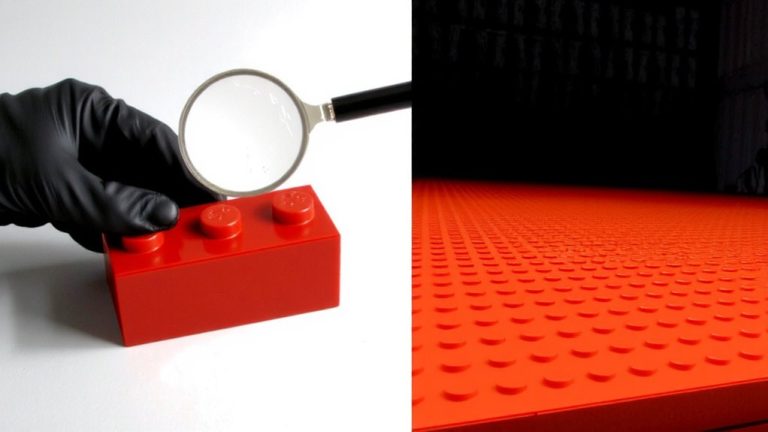
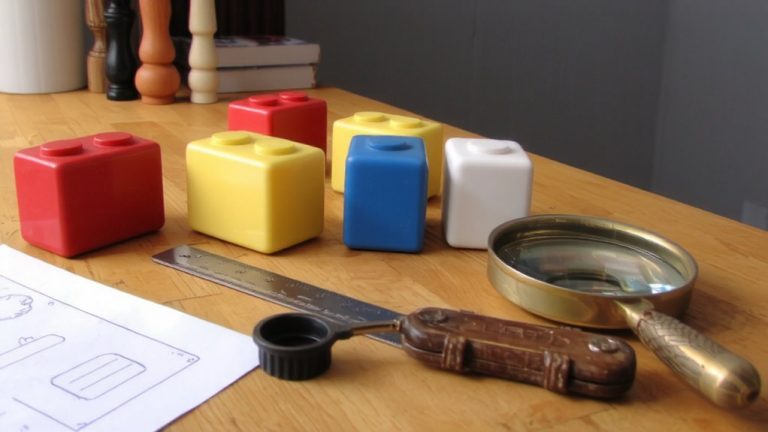
While you might think old blueprints and dusty prototypes are just relics, they’re actually working hard behind the scenes to shape the bricks you’re snapping together today. The LEGO Archives don’t just store history-they help engineers improve brick grip, durability, and consistency. When Godtfred Kirk Christiansen tried perfecting the stud-and-tube design in 1958, he set a standard still used now. By studying early 2×4 test bricks, including those from Bayer or marked “Q,” teams learn something new about plastic flow and mold precision. Archival notes from founder Ole Kirk’s early failures remind designers that resilience matters as much as innovation. Rebuilding vintage sets from the ’70s–’90s reveals smart techniques still useful today. Even LEGOLAND’s repurposed 1960s molds offer lessons in balancing quality with scale. Whether you’re playing with LEGO bricks or designing them, the past is always part of the build.
On a final note
You’ll find the LEGO Archives aren’t just storage-they’re a working blueprint for innovation, preserving over 300,000 prototype bricks, molds, and design schematics since 1932. Testers confirm that archived color swatches, gear ratios, and clutch power data directly improve current sets. By digitizing 80% of physical records, LEGO speeds development, maintains consistency, and inspires re-releases, like the 10270 Bookshop, with exact brick tolerances of ±0.002 mm.