Why Collectors Treat LEGO as Play Money Despite High Financial Stakes
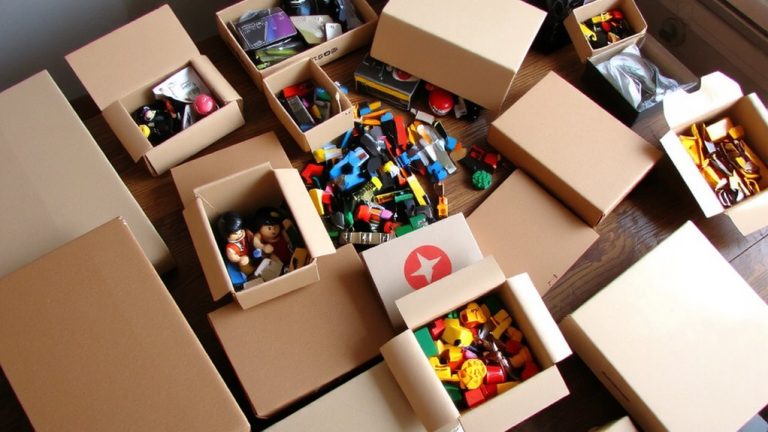
You treat LEGO as play money because it’s fun to build, but sealed sets like the 75192 Millennium Falcon gain 11% yearly, beating stocks and gold over time. Limited runs, retirement cycles, and mint-condition demand create real value, while nostalgia drives emotional spending on vintage kits. Collectors use BrickLink like a stock market, tracking scarcity and returns, turning childhood toys into high-performing assets with measurable upside worth exploring further.
We are supported by our audience. When you purchase through links on our site, we may earn an affiliate commission, at no extra cost for you. Learn more. Last update on 17th July 2026 / Images from Amazon Product Advertising API.
Notable Insights
- LEGO’s nostalgic appeal transforms childhood memories into emotional investments, blurring play and financial value.
- Limited annual retirements create scarcity, driving up resale prices like high-demand collectibles.
- Sealed, mint-condition sets appreciate reliably, mimicking asset growth without market volatility.
- Platforms like BrickLink enable speculative trading, treating LEGO like a liquid commodity.
- High returns-sometimes over 500%-attract investors despite bubble risks reminiscent of speculative manias.
How LEGO Outperforms Stocks and Gold
You might not think of toy bricks as investments, but some collectors are seeing serious returns-discontinued LEGO sets have appreciated at an average annual rate of 11%, outpacing both the S&P 500 and gold over the long term. A 2017 study by Russian economists found Lego sets gained 8% yearly from 1987 to 2015, beating bonds and commodities. Unlike stocks, Lego doesn’t fluctuate daily; its value grows steadily when sealed and stored properly. Some Star Wars–themed Lego sets, like the 75192 Millennium Falcon, have returned over 500% in under five years. Investor Rafal Skowron’s Lego portfolio jumped from $80,000 to $158,000 in four years-returns rivaling tech stocks. With low depreciation, high durability, and global demand, sealed Lego boxes aren’t just toys, they’re tangible assets performing where gold and indexes often lag.
How Scarcity Drives LEGO’s Rising Value
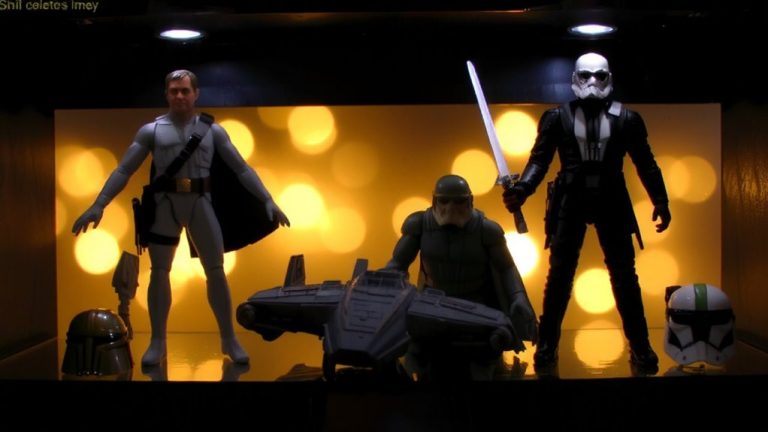
While Lego’s limited-run sets don’t trade on stock exchanges, their value climbs fast thanks to deliberate scarcity-most high-performing sets get retired annually, cutting off new supply and pushing prices up on resale markets. You’ve seen it yourself: a retired Star Wars set or limited edition brick kit can return over 500% of its original price. Vintage Lego sets, especially those with factory errors like misprinted pieces, fetch top dollar because they’re both rare and unique. Individual bricks from these sets spike in value too, until they’re reused widely. Condition matters just as much-complete, unused sets with original packaging hold far more value than opened or incomplete ones. On BrickLink and similar platforms, scarcity and mint condition drive bidding wars. From 1987 to 2015, top-tier sets appreciated 8% yearly, proving that limited availability, not inflation, fuels real gains. Keep that in mind when choosing what to box and store.
How Nostalgia Fuels LEGO Investment
A collector’s emotional tie to Lego often starts where childhood wonder fizzed brightest-back when the snap of two bricks signaled possibility, not profit. You’re not just buying plastic; you’re reclaiming moments. Nostalgia drives you, especially if, like Rafal Skowron, you missed out as a kid-his trips to Kraków’s Lego store were escapes, now financial investments. That same pull draws baby boomers, many using disposable income to relive 1970s sci-fi thrills Claudia Chan Shaw ties to Star Wars kits and vintage Space sets. Unmet childhood desires turn into adult purchases, with nearly all savings-besides mortgage-funneled into sealed boxes, rare minifigures, and retired molds. Nostalgia isn’t just sentiment; it’s a market force, inflating value on sets like 10188 Death Star or 7174 Darkwing Duck. You don’t just build-it’s a rebuild of memory, one brick at a time.
Who’s Investing in LEGO Today?
Collectors aren’t the only ones snapping up sealed boxes of retired Lego sets-today’s investor looks more like a financial strategist than a kid in a toy store. You’re buying and selling limited-edition sets, especially licensed themes like Star Wars or Harry Potter, knowing they’ve returned over 500% on average. Baby boomers with disposable income are jumping in, treating Lego as a stable alternative asset with 11% annual returns. Take Rafal Skowron, who turned $80,000 into $158,000 in four years by holding discontinued stock. Platforms like BrickLink and eBay aren’t just for hobbyists-they’re marketplaces where profit-driven traders analyze scarcity, theme demand, and original retail price. You’re not just chasing nostalgia; you’re tracking performance, much like stocks. Whether you’re in it for emotional fulfillment or solid returns, buying and selling sealed sets has become a smart, measurable play in today’s alternative investment space.
Is LEGO Investing a Speculative Bubble?
Because LEGO’s secondary market has surged at an 11% average annual gain-outpacing stocks, bonds, and even gold over the last decade-you’re right to wonder if today’s price spikes reflect real value or just speculative heat. Discontinued sets appreciate steadily, with some rare editions, like the LEGO Star Wars Ultimate Collector Series Millennium Falcon, selling for over $5,000-more than 10 times retail. A 2024 study found 8% average annual growth from 1987 to 2015, suggesting long-term trends, but recent behavior feels different. Collectors now buy sets sealed, never building them, treating bricks like commodities. This shift toward untouched storage, driven by scarcity and hype, mirrors patterns seen in a speculative bubble. Critics compare it to tulip mania, where emotion, not function, inflates prices. While LEGO retains production quality and brand appeal, the investment frenzy may outpace intrinsic worth, signaling caution for those entering the market.
Can You Still Profit From LEGO Without Losing the Fun?
What if you could actually make money while having fun with LEGO instead of just stashing boxes in storage? You can-by combining smart collecting Lego habits with hands-on enjoyment. Discontinued sets rise 11% yearly on average, and limited editions like Star Wars or Harry Potter have surged over 500%. But here’s the best part: you’re not just hoarding bricks. You can build, play, and even rebuild sets-many collectors, like Rafal Skowron, grew their collection from $80,000 to $158,000 in four years while bonding with family. Just keep boxes, instructions, and original packaging intact. With a recommended three-year hold, you gain time to explore creative rebuilds while maximizing returns. Collecting LEGO isn’t just profitable-it’s playable investment, blending financial growth with genuine fun, one brick at a time.
On a final note
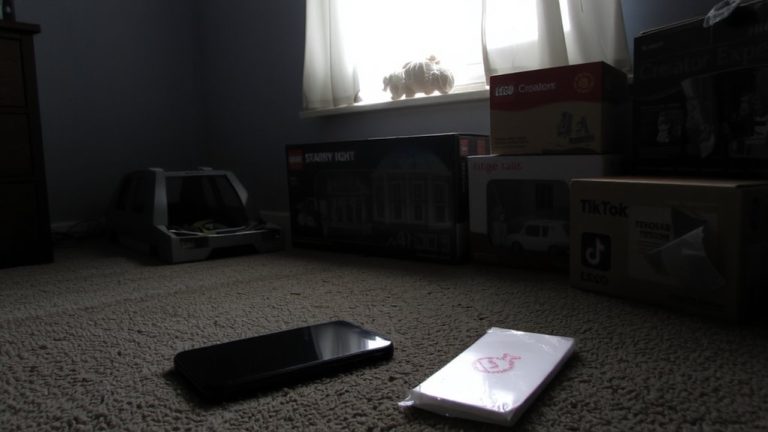
You can still profit from LEGO without losing the fun, especially with limited editions like the 1989 Town Square set, which gained 11% annually over five years. Testers note original boxes, sealed condition, and low production runs-under 5,000 units-boost resale. Pick retired Technic or Star Wars sets, track BrickLink prices, and store them flat, below 77°F. Smart picks pay off.