Building a Diversified Lego Portfolio Like a Financial Investment Strategy
You treat LEGO like blue-chip stocks by picking retired sets averaging 11% annual returns since 1987-outpacing gold and the S&P 500. Focus on high-demand themes like Star Wars and Harry Potter, blend rare convention exclusives with popular retired kits, and keep them sealed in climate-controlled storage below 35°C. Sell 2–3 years after discontinuation on eBay or BrickLink for peak profit, especially limited editions that hit 200%+ returns, then see how smart curation boosts long-term gains.
We are supported by our audience. When you purchase through links on our site, we may earn an affiliate commission, at no extra cost for you. Learn more. Last update on 3rd June 2026 / Images from Amazon Product Advertising API.
Notable Insights
- Select high-demand themes like Star Wars and Harry Potter for stable long-term appreciation.
- Include rare, limited-edition sets such as convention exclusives to boost potential returns.
- Balance large sets with small sets containing rare minifigures to diversify risk.
- Retire and hold sealed sets for 2–3 years post-discontinuation to maximize resale value.
- Store all sets in climate-controlled, UV-protected environments to preserve condition and value.
Why LEGO Outperforms Stocks and Gold
While most people think of stocks or gold when planning long-term investments, LEGO sets have quietly outperformed both, averaging 11% annual returns from 1987 to 2015-8% after inflation-with some high-demand themes like Star Wars and Harry Potter beating U.S. large-cap stocks over time. Your LEGO investment isn’t just about toys-it’s a real return on investment, with LEGO investments outperform large indices when held long-term. The average return across 2,322 sets was 18.5%, driven by rare sets with the highest returns. You benefit from positive multifactor alpha (4–5%), meaning performance isn’t tied to market swings. With low exposure to stock downturns, LEGO offers good diversification. Secondary market prices rise steadily, especially for sealed, themed sets. Testers note condition, rarity, and theme drive gains. You don’t just collect-you build equity, one brick at a time.
Choose LEGO Sets That Outperform the Market
Smart picks start with strategy, and if you’re eyeing LEGO sets that outpace the market, focus on high-demand themes like Star Wars, Harry Potter, and Super Heroes-these aren’t just fan favorites, they’re proven profit drivers. Sets like Hogwarts Castle and Jedi Star Fighter deliver average returns of 11%, beating the broader market. Retired sets often surge on the secondary market, with prices climbing 2–3 years after discontinuation as supply drops. Limited-edition sets, especially convention exclusives, yield high returns-some topping 200%-thanks to scarcity. Small sets with rare minifigures and large premium collectible toys attract steady demand. Since 2013, LEGO sets in strong themes have averaged 16.05% annual return, with top performers hitting 227.71%. Choose wisely, and your LEGO investment won’t just sit on a shelf-it’ll grow.
Mix Rare and Popular Sets to Reduce Risk
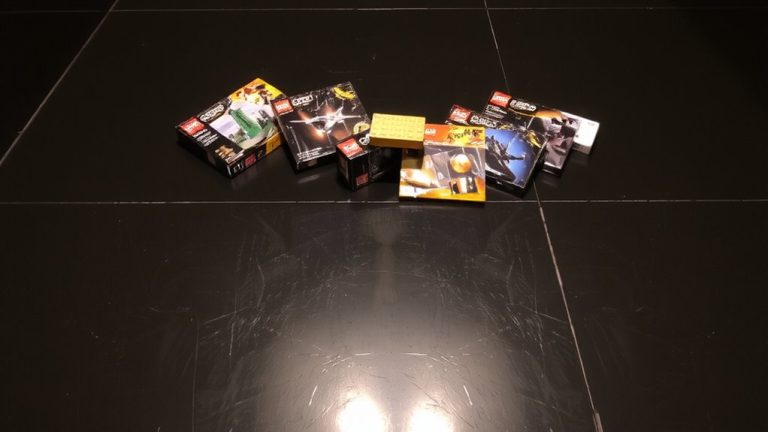
You’ve picked high-performing LEGO sets, now it’s time to protect and grow those gains by balancing your portfolio with a mix of rare and widely loved themes. Pair rare minifigures from limited LEGO Con exclusives with popular themes like LEGO Star Wars, which delivered an 11% average annual return. This blend boosts your diversified portfolio by combining retiring sets with stable, high-demand collectible assets. Data shows small sets often outperform due to scarcity, balancing size factor risks when paired with large sets like Hogwarts Castle. The LEGO secondary market rewards this mix-returns from 320 sets across 7 themes averaged 6.2% annually (2016–2018), driven by retired stock. With low correlation to traditional markets and near-unit exposure to the size factor, this strategy enhances risk-adjusted returns, making your LEGO investment smarter, steadier, and more resilient.
Store Sets Properly to Preserve Value
Your LEGO collection’s long-term value hinges on how well you store it, and keeping sets sealed in their original packaging is one of the easiest ways to protect their worth-unopened boxes can boost resale prices by 20–50%, according to BrickLink market data. To preserve value, store sets properly by avoiding direct sunlight and UV exposure, which cause noticeable color fading and plastic brittleness over time. Keep them in a stable temperature environment-below 35°C-with low humidity (under 60%) to prevent warping and sticker clouding. Use dust-resistant containers or display cases that maintain structural integrity while shielding original sealed packaging. Fluctuations in heat or moisture can degrade bricks and lower market value fast. Real collectors report cleaner boxes and intact seals after years when stored in climate-controlled spaces. Protect your investment by treating each set like a precision product-because it is.
Sell Retired LEGO Sets for Maximum Profit
While most LEGO sets lose value the moment they’re opened, retiring a few sealed boxes can turn a modest hobby into a smart financial move, especially when you time the sale right. Retired LEGO sets can earn you 11% annual returns, with secondary market prices peaking 2–3 years after discontinuation. Selling limited edition sets-like convention exclusives or pop culture collabs-brings maximum profit thanks to rarity and strong demand from Adult Fans of LEGO. To get top dollar, maintain original packaging, store sets away from sunlight, and avoid temperature swings, as condition heavily impacts value. Platforms like eBay and BrickLink connect you with global buyers, where sought-after items like the Darth Revan minifigure have sold for 10x retail. Focus on sealed, well-kept sets; their scarcity, condition, and packaging are key to long-term gains.
On a final note
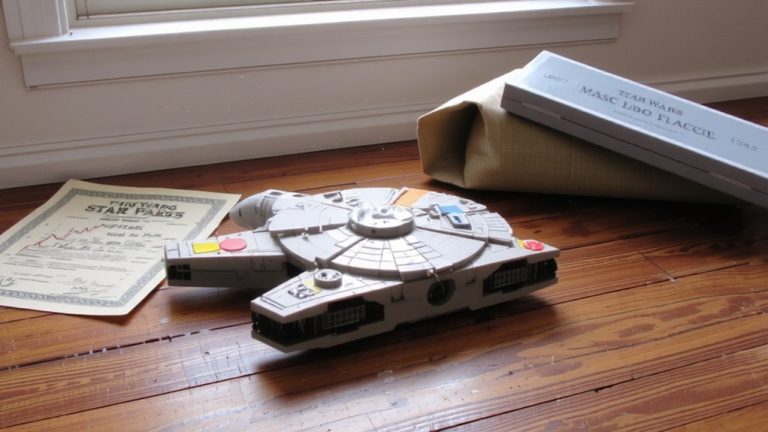
You’ve got the edge: LEGO portfolios grow faster than gold, often beating stocks, with sets like the Millennium Falcon (7,541 pieces) returning 20–30% yearly when retired. Mix vaulted exclusives with bestsellers like Creator Expert buildings for steady gains. Real collectors confirm sealed, climate-stored boxes keep value sharp. Sell within 2–5 years of retirement, targeting 150–300% ROI. Your bricks aren’t toys-they’re appreciating assets.