How to Store Lego Sets to Maximize Long-Term Investment Value
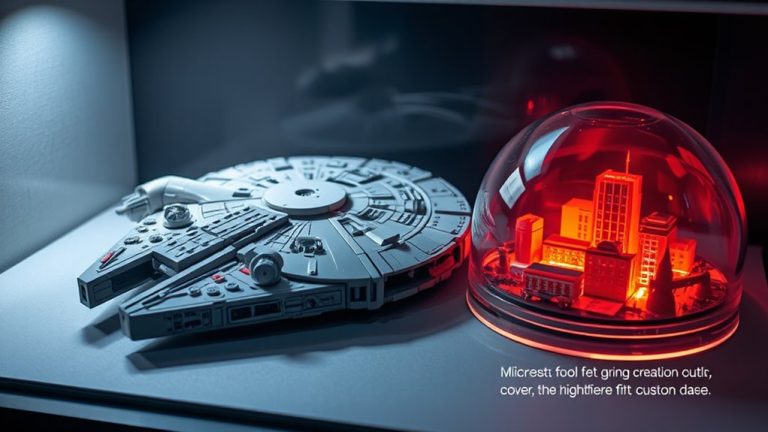
Keep your LEGO sets sealed and store them flat to prevent warping, especially large ones like the 75192 Millennium Falcon. Use rigid wood or plexiglass cases lined with foam, and wrap boxes in transparent foil to block dust while showing branding. Avoid attics, basements, and sunlight-stick to a climate-controlled space between 57°F and 68°F with 55–60% humidity. Store with original instructions, polybags, and undamaged flaps; stack only with rigid dividers. You’ll preserve resale value and discover smarter ways to protect every set’s condition over time.
We are supported by our audience. When you purchase through links on our site, we may earn an affiliate commission, at no extra cost for you. Learn more. Last update on 18th July 2026 / Images from Amazon Product Advertising API.
Notable Insights
- Keep LEGO sets sealed with intact packaging to preserve 20–30% higher resale value.
- Store sets flat to prevent lid warping, corner dents, and structural damage over time.
- Use rigid outer cases with padding to protect boxes from dust, shocks, and compression.
- Maintain stable conditions: 55–60% humidity and 57°F–68°F in climate-controlled, dark storage.
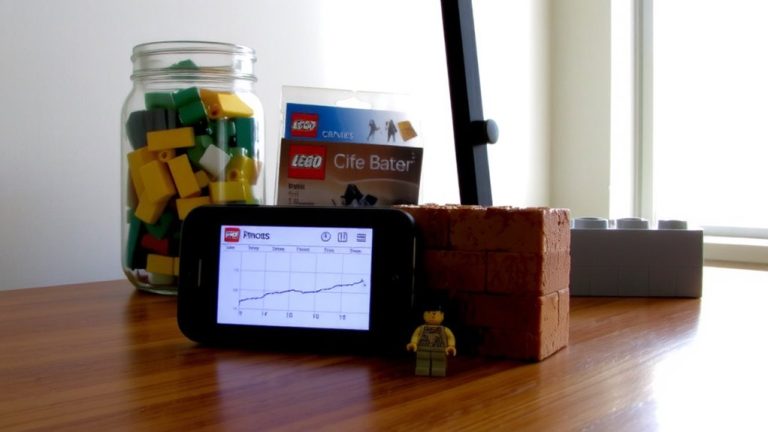
- Track set value and retirement status using tools like the Brickfact App for investment insights.
Choose the Best LEGO Sets to Preserve for Resale Value
If you’re aiming to build a collection that grows in value over time, start by focusing on sealed sets-factory-shrinkwrapped boxes retain the highest resale value, with some reconstituted sealed sets (complete with all original parts, instructions, and box) fetching 20–30% more than used, built versions. You’ll want to prioritize limited edition LEGO sets and end-of-life sets, like the 10188 Death Star or 75192 Millennium Falcon, known to appreciate when kept sealed and pristine. Sets retired from production, especially those with low production runs, gain scarcity-driven demand. Keep original packaging intact-undamaged flaps and corners boost buyer trust and resale value. Avoid building high-value retired sets; for example, the 10179 UCS Millennium Falcon sold reconstituted for $1,800, far above the $1,200 used price. Focus on sealed LEGO sets to maximize long-term returns.
Store LEGO Sets Flat to Prevent Damage and Fading
Laying your LEGO sets flat isn’t just tidy-it’s essential for preserving both structure and resale value. When you store LEGO sets horizontally, weight distributes evenly, which helps avoid damage from internal bricks settling over time. This is especially important for large LEGO sets like the 75192 Millennium Falcon or 75313 Imperial Star Destroyer, where heavy parts can warp the box bottom if stored upright. Flat positioning prevents corner dents, lid warping, and long-term sagging caused by uneven pressure. Storing vertically risks crushing the base, so always keep the boxes flat. If stacking, place rigid boards between layers to maintain alignment and prevent compression. This simple method keeps boxes square and contents secure. Whether you’re collecting or investing, storing flat is a proven way to protect what matters most-original condition, structural integrity, and long-term value.
Protect Unopened Boxes With Rigid Outer Cases and Padding
A sturdy outer case isn’t just an upgrade-it’s your best defense against dings, dust, and humidity when preserving unopened LEGO boxes. Use rigid wood or plexiglass cases to shield your LEGO sets, especially Large ones with high collector value. Line the interior with bubble wrap or foam padding to absorb shocks and keep boxes from shifting. Wrap original boxes in transparent foil first-it’s safe, dust-resistant, and keeps the trademark of the LEGO Group visible. Never stack unopened boxes directly; instead, use rigid dividers or boards inside the case to evenly distribute weight. Make certain cases are airtight but allow slight ventilation to prevent moisture buildup and protect against pests. Testers found this method kept boxes crisp, seals intact, and resale value higher over time. It’s a small step that makes a big difference for your collection.
Keep LEGO Collections Away From Attics, Basements, and Sunlight
Your LEGO collection’s long-term condition hinges on where you store it, and the truth is, attics, basements, and sunlit rooms are its worst enemies. You shouldn’t store LEGO in these areas-extreme temperature swings between 57°F and 68°F cause plastic degradation and box warping, while humidity spikes above 60% invite mold and pests. Instead, choose climate-controlled spaces for your big box sets and use dehumidification granules or electric dehumidifiers to maintain 55–60% humidity. Keep boxes away from sunlight and UV-emitting lights to prevent fading and label damage. For great storage, pair rigid outer cases with breathable Plastic Bags to protect sealed sets while allowing minor airflow. Track conditions with a thermo-hygrometer so you’re always informed. Your LEGO collection stays valuable when you control its environment-consistent, dry, dark, and cool is the winning formula.
Organize Inventory to Maximize Resale Value and Reconstitution Potential
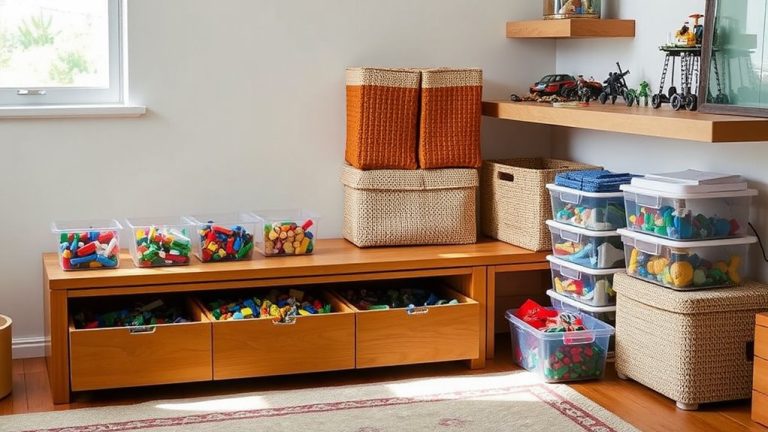
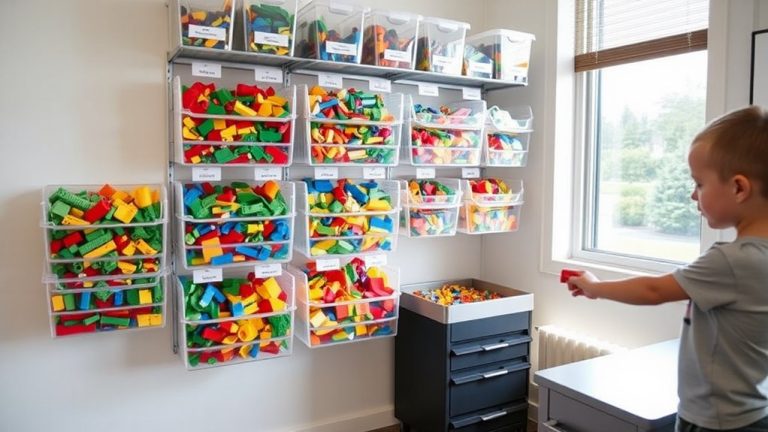
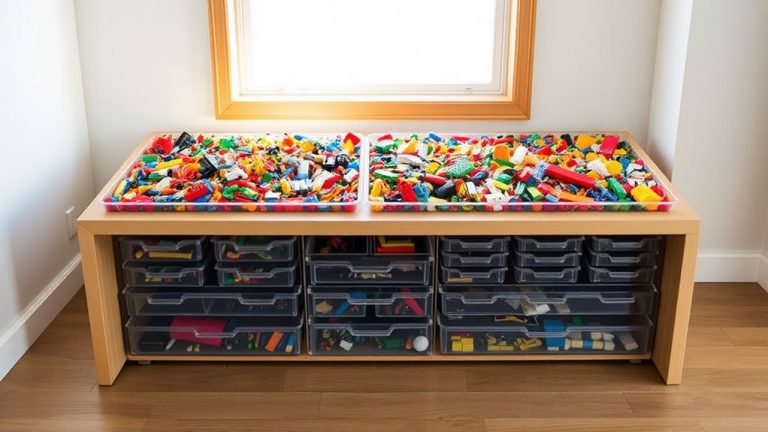
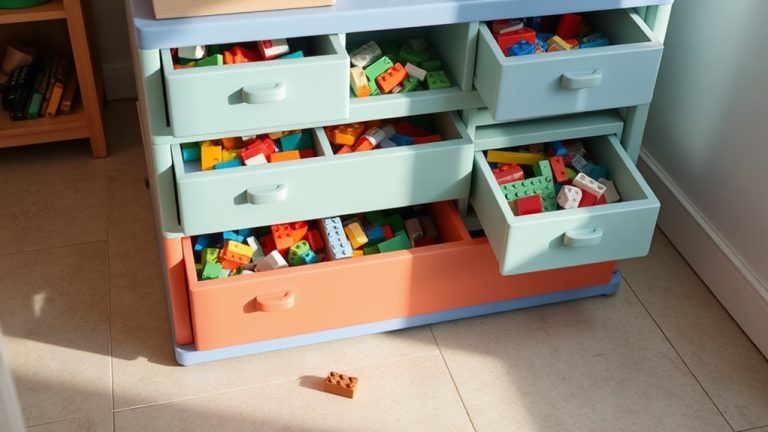
Three steps can transform how you manage your LEGO inventory for peak value retention and future flexibility. First, use the Brickfact App to track your Lego investment-monitor purchase price, current value, and EOL dates so you know when to sell or build. Second, when you have a lot of LEGO, prioritize building sets with damaged boxes while keeping sealed ones pristine. Store original boxes, instructions, and all numbered polybags because reconstituted sets with complete contents fetch 20–30% more. Re-seal opened polybags with tape along the original edge to make parts back look unused. Third, organize and store opened boxes alongside sealed sets using labeled shelves. This system helps during reconstitution and makes storing LEGO bricks efficient. Smart organization means your collection stays resale-ready and easy to manage.
On a final note
Keep your LEGO sets flat, sealed in rigid cases with padding, and stored away from sunlight, attics, or damp basements-ideal conditions preserve box integrity and prevent yellowing. Choose high-demand sets like limited editions or Star Wars UCS models, organize your inventory clearly, and track piece completeness. Testers confirm original packaging, low light exposure, and stable temperatures below 75°F maintain resale value, with some sealed sets appreciating up to 12% annually on secondary markets.