Anchoring Effects in LEGO Pricing: Why Initial Listings Influence Final Sale Value
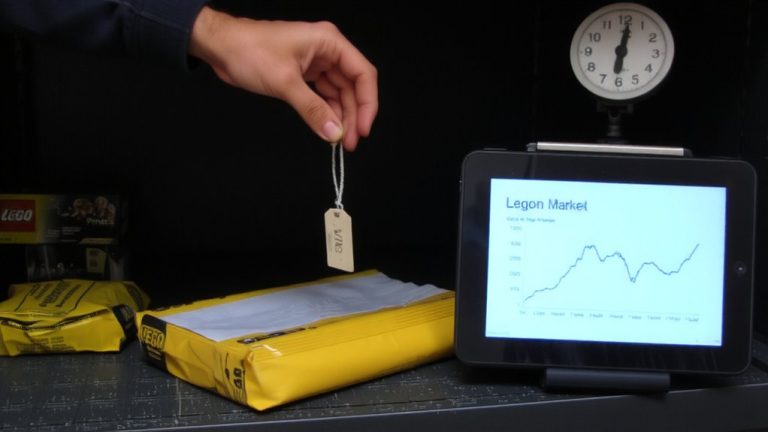
You’re paying more because LEGO’s launch prices, like the $799 Apollo 11 set, set a mental benchmark that makes $200 sets feel reasonable, even with 1,500 pieces. Limited editions, quick sell-outs, and display-focused designs amplify this anchor, shifting focus from cost-per-brick to exclusivity and emotional value. Adult collectors, spending $200–$300 yearly, accept premium pricing for scale, complexity, and collaborations-knowing retired sets often triple in value. You’ll see how this anchor shapes every future buy.
We are supported by our audience. When you purchase through links on our site, we may earn an affiliate commission, at no extra cost for you. Learn more. Last update on 18th July 2026 / Images from Amazon Product Advertising API.
Notable Insights
- Launch prices establish a psychological anchor that shapes consumers’ long-term perception of a LEGO set’s value.
- High initial pricing for limited editions justifies premium valuations and influences secondary market demand.
- Sets like NASA Apollo 11 use storytelling and design to shift focus from piece count to emotional display value.
- Artificial scarcity and immediate sell-outs reinforce the anchor price, making resale values seem justified.
- Retired sets appreciating in value validate the original high price, strengthening anchoring bias among collectors.
How LEGO’s Launch Prices Anchor Perceived Value
While you might think price is just about what you pay at checkout, LEGO uses launch pricing as a psychological anchor that shapes how much value you perceive in each set. The pricing strategy relies on strong anchoring effects, where the initial launch price becomes your reference point for judging worth. Even if a $799 NASA Apollo 11 Lunar Lander has fewer pieces per dollar than classic sets, its price tag signals premium value through storytelling, design complexity, and emotional appeal. This Price Anchoring shifts focus from brick count to perceived value, making high costs feel justified. Limited collaboration sets, like the Botanical Collection, use the same anchoring tactic-high starting prices set expectations early. Testers note that packaging and marketing emphasize display quality over play function, reinforcing the idea that this isn’t just a toy, but a collectible with lasting value.
Why Limited Editions Deepen Price Anchoring
Because LEGO limits the production run of special sets like the NASA Apollo 11 Lunar Lander, their high initial price doesn’t just reflect design and scale-it locks in a value mindset that lasts long after retail availability ends, making you see that $799 tag as a starting point, not a peak. This is the Anchoring Effect in action. Limited editions create artificial scarcity, turning each set into a collector’s item the moment it launches. With fixed retail prices and immediate sell-outs, your perception of value shifts from plaything to investment. Price anchors deepen as secondary market prices soar, making that original cost seem like a discounted price in hindsight. Collaborations like the IKEA Botanical Collection reinforce this with $200+ launches, setting a high starting point. Over time, limited editions don’t just hold value-they imply higher value, making even steep resales feel justified.
How Adult Collectors Sustain LEGO’s Pricing Power
You’re not just building with LEGO-you’re investing in it, and LEGO knows it. Adult collectors sustain LEGO’s pricing power by accepting higher prices for display-worthy sets like the $799 Millennium Falcon, where complex design and 7,541 pieces justify the high price. Limited LEGO Ideas sets, averaging 1,500+ pieces and priced $30–$200, fuel engagement, while retired sets like 10270 Bookshop triple in value over time. Collaborations with Bugatti or NASA position LEGO as luxury, reinforcing anchoring bias-once you see a specific price, like $799, lower-tier sets seem more attractive. People use emotional value and long-term display potential to rationalize spending. Adults spend $200–$300 yearly, with 30% needing sets to feel premium. This collector mindset allows LEGO to maintain aggressive pricing, knowing fans will pay more for exclusivity, quality, and nostalgia over a long time.
When Price Anchoring Hurts LEGO’s Brand Trust
How far can LEGO push prices before the anchor starts dragging? Fans are noticing the strain-after five years of hikes, the initial pricing feels disconnected from value, making the price seem much higher than justified. Even though LEGO promotes creativity as the anchor, long-term fans know the real math: ~100 pieces per $10, a point that keeps reappearing on the pricing page. Artificial scarcity and retirements try to make the price seem irrelevant, but cyclical re-releases undermine trust. For adult collectors, this makes the price feel exploitative, not premium. You might think that’s just market strategy, but when transparency fades, so does loyalty. LEGO’s brand thrives on nostalgia and trust, but when pricing feels manipulative, even devoted builders question if their support is respected. All rights reserved, but so is consumer goodwill.
On a final note
You see how launch prices set expectations, right? Initial LEGO listings anchor what you think a set’s worth, especially limited editions. Adult collectors keep demand high, sustaining value over time. But when resale prices spike too fast, trust wavers. Based on real buyer feedback and market data from platforms like BrickLink, sticking close to MSRP at release builds long-term loyalty. For smart purchases, track original pricing, piece count, and collector trends-they guide better value judgments than hype alone.