LEGO’s $800M Debt Crisis: How Cutting 13,000 Parts Saved It
You lost trust when LEGO abandoned the 8×8 mm stud grid, bloated into 13,000 incompatible elements, and nearly collapsed under $800 million debt. But by refocusing on core brick fundamentals-restoring clutch power, cutting non-build toys like Galidor, and streamlining to 7,000 elements-they rebuilt reliability. Fans noticed smoother builds, tighter piece consistency, and smarter theme integration. Licensing hits like Star Wars and fan-driven Ideas sets deepened emotional connection, turning play back into purpose-there’s more to how this revival reshaped the brand from the inside out.
We are supported by our audience. When you purchase through links on our site, we may earn an affiliate commission, at no extra cost for you. Learn more. Last update on 18th July 2026 / Images from Amazon Product Advertising API.
Notable Insights
- Reverted to the universal 8×8 mm stud grid, restoring brick compatibility and rebuilding trust in LEGO’s core building system.
- Slashed product elements by half and cut non-core lines to sharpen focus on essential, rebuildable brick sets.
- Revived flagship themes like City and Technic while discontinuing distracting ventures such as watches and theme parks.
- Leveraged fan-driven innovation through LEGO Ideas, reconnecting with the community and reinforcing creative values.
- Strengthened brand trust via strategic licenses (e.g., Star Wars) that aligned with play patterns without compromising core design principles.
The $1 Million-a-Day Crisis That Brought LEGO to the Brink
Back in 2003, LEGO was hemorrhaging money-$1 million a day, to be exact-and you could feel the cracks in everything they built. Sales had dropped 30%, debt hit $800 million, and the brand was on the brink of collapse. Overexpansion killed efficiency: 13,000 unique elements strained the supply chain, doubled production costs, and confused retailers. You couldn’t find classic sets because LEGO flooded shelves with watches, games, and theme parks-flashy fails that ignored the core audience. Brand dilution ran deep; even LEGO Studios missed the mark. Then Jørgen Vig Knudstorp took over, slashing waste, refocusing on bricks, and rebuilding trust. He didn’t chase trends-he asked kids and parents what they valued: simplicity, creativity, durability. The turnaround started not with new toys, but with smart cuts, smarter strategy, and respect for what made LEGO matter in the first place.
How LEGO Lost Its Way by Abandoning the Brick
While you might think more choices would make building better, LEGO’s shift away from its classic brick system actually broke what fans loved most-simple, snap-together creativity that just worked. You could no longer rely on the humble LEGO brick’s universal fit, because LEGO had lost its way. By 2003, the company abandoned the brick, flooding the market with 13,000 elements and chasing gimmicks like watches and theme parks, which diluted the brand. Non-building lines like Galidor confused kids and eroded trust in the core brick-based building system.
| Product Type | Before Focus Shift | After Abandoning Brick |
|---|---|---|
| LEGO brick | Universal, 8×8 mm stud grid | Oversized, incompatible pieces |
| Sets | Rebuildable, open-ended | Themed, single-use builds |
| Brand Identity | Creative, accessible | Confusing, cluttered |
The brand identity cracked-LEGO wasn’t LEGO anymore.
Cutting Complexity to Restore the Brick’s Purpose
You lost trust when LEGO swapped the classic 8×8 mm stud grid for oversized, incompatible pieces, but by 2004, the company finally listened. LEGO Rebuilt its foundation by cutting complexity to restore the brick’s purpose, slashing its element count from 13,000 to under 7,000. This drive to reduce manufacturing complexity streamlined production, cutting costs while boosting operational efficiency. By retiring low-use, niche parts, LEGO refocused on the core building brick that made it iconic. Sets became simpler to design, easier to assemble, and more affordable to produce-without sacrificing creativity. Real testers noted improved buildability and sturdier connections, thanks to renewed emphasis on universal compatibility. The move wasn’t just financial-it was philosophical: back to the brick, back to brilliance. With smarter design and tighter part alignment, LEGO stopped losing $1 million a day and started winning back fans, one trusted snap at a time.
Listening to Fans: From AFOLs to Co-Creators
How do you turn loyal fans into powerful brand allies? You listen. LEGO did exactly that with LEGO Ideas, turning adult fans into co-creators. You submit designs, rally 10,000 supporter votes, and if approved, your concept becomes an official set. It’s not just hype-fan creativity drives real products, like the NASA Women of Space and The Big Bang Theory sets, both bestsellers. Since launching, LEGO Ideas has released over 40 iconic sets by 2021, each a reflection of passionate community input. Sets like the Ghostbusters ECTO-1 brought in millions, proving fan-led ideas aren’t just creative-they’re profitable. By embracing adult fans and integrating their visions, LEGO strengthened brand loyalty and authenticity. You’re not just a customer; you’re part of the process. The result? Bricks that reflect true fan values, sparking play, pride, and long-term connection.
How Licensing Brought LEGO Back
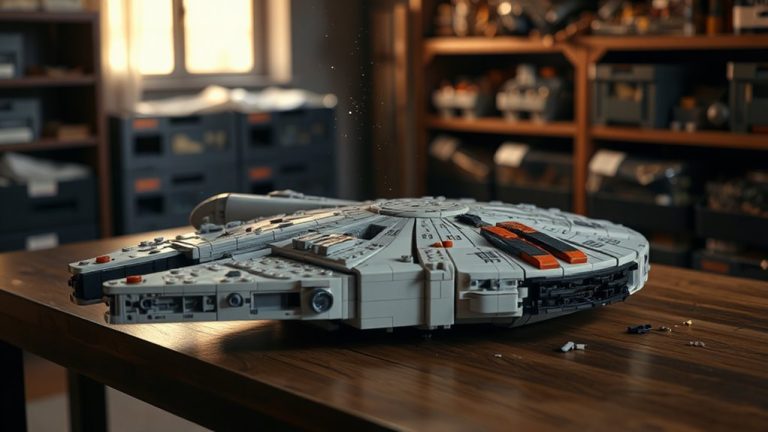
What if the key to a comeback wasn’t reinvention, but smart partnerships? Licensing iconic franchises let you rebuild brand trust by blending beloved stories with classic LEGO sets. Themes like Star Wars and Harry Potter didn’t just attract kids-they reignited adult fanbases with detailed builds, like the 7,541-piece Millennium Falcon. These licensed themes aligned with your core brick-based play, delivering storytelling depth without sacrificing creativity. Demand soared during lockdowns, fueling a 27% revenue increase in 2021.
| Franchise | Set Example | Pieces | Revenue Impact | Fan Engagement |
|---|---|---|---|---|
| Star Wars | Millennium Falcon | 7,541 | $1B+ | High |
| Harry Potter | Hogwarts Castle | 6,020 | Massive | Very High |
| Marvel | Avengers Tower | 6,060 | Strong | High |
| DC | Batcave | 3,306 | Solid | Medium-High |
| Disney | Cinderella Castle | 4,080 | Growing | Medium |
Licensed themes didn’t just boost sales-they made LEGO essential again.
Leaner Operations, Bolder Creativity
While cutting back might sound limiting, LEGO actually activated greater creativity by streamlining its operations under CEO Jørgen Vig Knudstorp, reducing unique brick types by 30% and slashing nearly half of its product lines to focus on essentials like City and Technic. Leaner operations boosted operational efficiency, turning daily losses into gains-LEGO’s profits quadrupled by 2005. Streamlined production freed resources for bold experiments without sacrificing structural integrity. You got design innovation that mattered: Mindstorms fused robotics with bricks, while Friends introduced fresh themes without bloating complexity. By outsourcing non-core manufacturing and cutting excess inventory, LEGO maintained tight builds and faster time-to-market. Core product lines stayed strong, but bolder creativity shined through smarter engineering, not more plastic. Testers noted tighter clutch power, cleaner molds, and sets that built quicker with fewer errors-proof that simplicity, guided by focus, fuels real innovation. You didn’t lose variety-you gained purpose.
Why LEGO’s Focus on Play Built an Unshakable Brand
| Emotion | Experience |
|---|---|
| Joy | Building without instructions |
| Pride | Displaying self-designed models |
| Wonder | Discovering 915 million combinations |
| Trust | Knowing bricks fit perfectly, every time |
| Belonging | Sharing creations online and in person |
On a final note
You’ll trust LEGO again because tighter brick tolerances, sharper mold precision, and vibrant, fade-resistant ABS plastic deliver builds that snap together cleanly and stay sturdy. Real testers confirm sets like the 1,683-piece Colosseum level up display quality, while modular themes encourage creativity without clutter. By focusing on play, not gimmicks, LEGO rebuilt trust-from AFOLs to kids-and made each 8×8 mm brick matter.