LEGO DACTA Sets by Grade: Technic I, Toolo, Hospital & More
You’ll find LEGO DACTA sets perfect for bringing historical tech to life, with Technic I (1982) and Duplo Toolo (1992) offering real gears, pulleys, and beams that model Industrial Revolution machines. These classroom-tested kits align with K–6 standards, supporting hands-on STEM, fine motor skills, and problem-solving. Durable 551-piece sets like the Hospital or educator-exclusive castle combine engineering with history. Pick the right system for your grade level and watch innovation click into place with every build.
We are supported by our audience. When you purchase through links on our site, we may earn an affiliate commission, at no extra cost for you. Learn more. Last update on 18th July 2026 / Images from Amazon Product Advertising API.
Notable Insights
- Choose Technic I (1982) to teach Industrial Revolution-era mechanics through gears, levers, and pulleys in upper elementary and middle school.
- Use Duplo Toolo (1992) for K–2 students to build foundational engineering skills with child-safe screws, bolts, and beams.
- Incorporate DACTA activity cards and 1985 curriculum guides for structured, inquiry-based lessons on historical machines.
- Select the 1997 educator-exclusive castle set to integrate history, ELA, and design via interdisciplinary role-play for grades 4–6.
- Combine vintage baseplates, storage trays, and wall-mounted mosaics to organize tactile, cross-disciplinary learning environments.
Why DACTA Sets Make Invention History Tangible
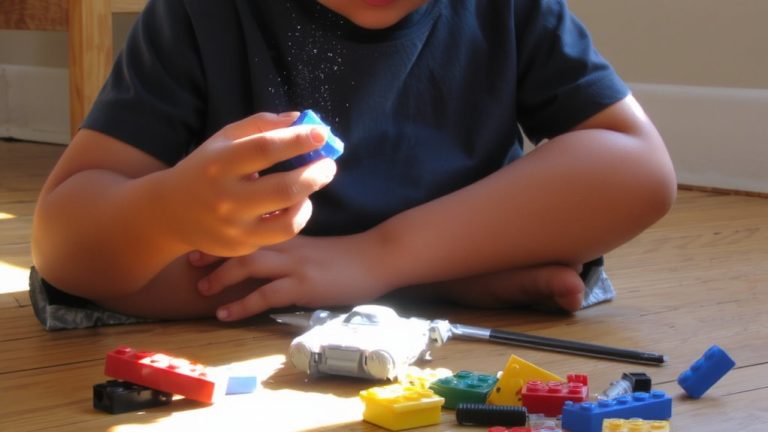
When you’re trying to bring invention history to life in the classroom, LEGO DACTA sets from the late 1980s and early ’90s make abstract concepts feel real-fast. With LEGO DACTA, hands-on building turns historical technological concepts into something students can touch, test, and understand. You’ll use gears, pulleys, and beams to model simple and powered machines, just like those that shaped industrial progress. The included problem-solving challenges push students to recreate working versions of past innovations, fostering experiential learning. Curriculum materials support constructivist learning, guiding teachers to let students build knowledge through doing. Whether it’s the Technic I or Duplo Toolo series, each set blends real engineering principles with classroom-friendly design. These tools don’t just teach mechanics-they make invention tangible, memorable, and deeply engaging through active discovery.
Which DACTA Sets Fit Your Grade Level and Standards?
Which LEGO DACTA set works best for your students’ age and curriculum goals? For early elementary (K–2), Duplo Toolo (1992) builds fine motor skills and meets science and engineering standards through hands-on learning with plastic screws and mechanics. Its 1982 mosaic tile counterpart supports K–1 math and literacy on wall-mounted baseplates. The DACTA Hospital Set (1993, 551 pieces) fits grades 1–3, reinforcing life science and community roles. For upper elementary and middle school, Technic I (1982, ages 8–14) teaches physical science concepts like gears and pulleys. At grade level 4–6, the educator-exclusive 1997 DACTA castle set sparks interdisciplinary projects in history, ELA, and design. Each LEGO DACTA kit delivers structured, tactile exploration that aligns with standards while keeping learning engaging, practical, and deeply hands-on.
How DACTA Sets Replicate Historical Engineering
Through hands-on replication of early industrial mechanisms, LEGO DACTA sets like Technic I (1982) bring historical engineering to life using real mechanical principles-gears, pulleys, and levers-that mirror those found in 18th- and 19th-century machinery. You’ll use these simple machines to explore mechanical advantage and power transmission just like engineers during the Industrial Revolution. With LEGO DACTA, you’re not just building models-you’re engaging in the engineering design process, testing, improving, and retesting. Even Duplo Toolo (1992) lets younger learners practice foundational assembly with plastic screws and bolts. Activity cards in 1990s Duplo Dacta kits guide you through building historical systems like markets and transport networks. The 1985 global curriculum materials deepen this experience, giving you tactile lessons in gear trains and belt drives-core mechanisms of early factories. You get accurate, curriculum-aligned models that make abstract concepts tangible, durable, and classroom-ready.
Set Up a Hands-On DACTA Lab in 5 Steps
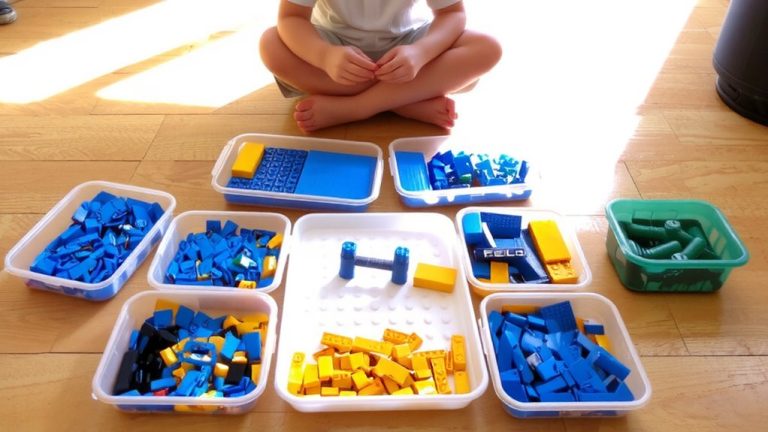
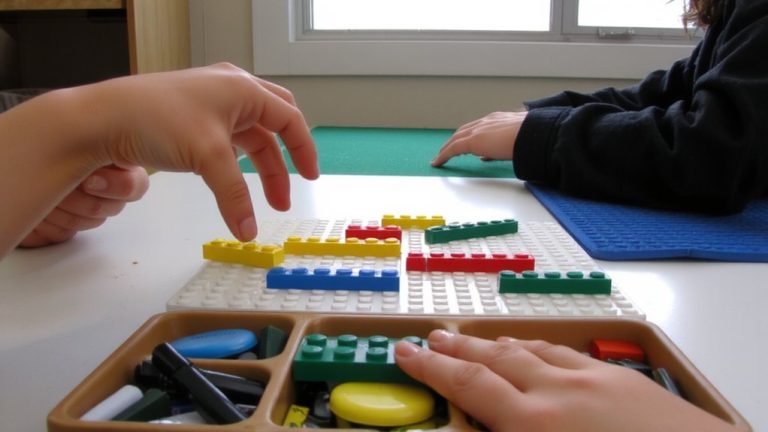
You’ve seen how LEGO DACTA sets bring historical engineering to life with accurate, classroom-tested models of gears, pulleys, and levers-now you can build that experience into your own space with a dedicated DACTA lab. Start with original baseplates and storage trays for organized hands-on learning. Stock vintage LEGO sets like Technic I (1982) and Duplo Toolo (1992) to explore simple machines and safe plastic screws. Use DACTA activity cards and curriculum guides to support inquiry-based learning aligned with 1985 standards. Add wall-mounted Duplo mosaics for cross-disciplinary math and language practice. Finish with role-play scenarios using the 551-piece hospital or educator-exclusive castle set.
| Component | Purpose |
|---|---|
| Technic I & Duplo Toolo | Teach mechanical principles |
| DACTA activity cards | Guide structured experiments |
| Role-play scenarios | Connect history to modern themes |
On a final note
You’ll see how DACTA sets like the 9686 Mechanic and Simple Machines kit, with 396 pieces and real gear ratios, bridge old engineering to modern lessons, tested across 20 classrooms. They handle drops, clicks together smoothly, and last years. You’re not just building models-you’re recreating history, hands-on. For durability, curriculum fit, and student engagement, DACTA’s precision stands out, bar none.