The Role of Sustainability Initiatives in Shaping Lego’s 2020s Manufacturing and Materials Shift
You’re holding LEGO bricks made with 50% renewable or recycled materials-bio-PE from sugarcane forms flexible leaves, while recycled fishing nets strengthen tire treads, all tested across 600+ alternatives for perfect fit and durability. Decades-long brick longevity reduces waste, and LEGO Replay has cleaned and donated over a million pounds of used sets. Factories run on solar power and e-methanol, with 95% paper-based packaging. Sustainable materials now in over half your builds, and there’s more to how they’re redefining play.
We are supported by our audience. When you purchase through links on our site, we may earn an affiliate commission, at no extra cost for you. Learn more. Last update on 18th July 2026 / Images from Amazon Product Advertising API.
Notable Insights
- LEGO shifted 50% of its plastic to renewable or recycled sources by using bio-based polyethylene from sugarcane.
- Recycled fishing nets and post-industrial waste supply materials for LEGO tires and transparent bricks.
- Long-term durability of LEGO bricks reduces environmental impact and supports circular reuse models.
- LEGO Replay program collects and cleans used bricks, promoting reuse and reducing landfill waste.
- Renewable energy investments, including solar and e-methanol, power factories to cut carbon emissions.
What 50% Sustainable Materials Mean for LEGO Bricks
While LEGO’s iconic bricks have long been loved for their durability and precision, you might not realize that half of the plastic in today’s LEGO sets now comes from renewable or recycled sources. This 50% sustainable materials milestone means every other brick you snap into place supports greener production. LEGO uses sugarcane-based polyethylene for flexible botanical pieces and recycled content from fishing nets in tires, all without sacrificing durability. Engineers tested over 600 alternative materials to guarantee the same tight fit and strength you expect. By end-2024, 53% mass balance of sustainable materials will be achieved. Future plans include e-methanol for rigid LEGO bricks, reducing fossil dependence. These changes keep quality high while cutting environmental impact-making your builds more sustainable, set after set. You’re not just building worlds; you’re supporting a cleaner future, one brick at a time.
How Long-Lasting LEGO Bricks Support Sustainability
Even if you’ve never thought about it, the LEGO bricks in your collection are built to outlast trends, technology, and even childhood itself, thanks to their unmatched durability-some sets from the 1970s still snap together as tightly today as they did decades ago. That long-lasting quality is central to LEGO’s Sustainability strategy, turning each brick into a reusable, circular asset instead of waste. The durability of the LEGO means pieces survive generations, play sessions, and even environmental exposure, as confirmed by studies like Andrew Turner’s at the University of Plymouth. Under Built for Tomorrow, LEGO champions durable design so bricks stay in play, not landfills. Programs like LEGO Replay collect and redistribute over one million pounds of pre-loved LEGO bricks, proving their reusable potential. You’re not just buying toys-you’re investing in long-term, sustainable play that’s built to last.
Turning Recycled Fishnets and Sugarcane Into LEGO Parts
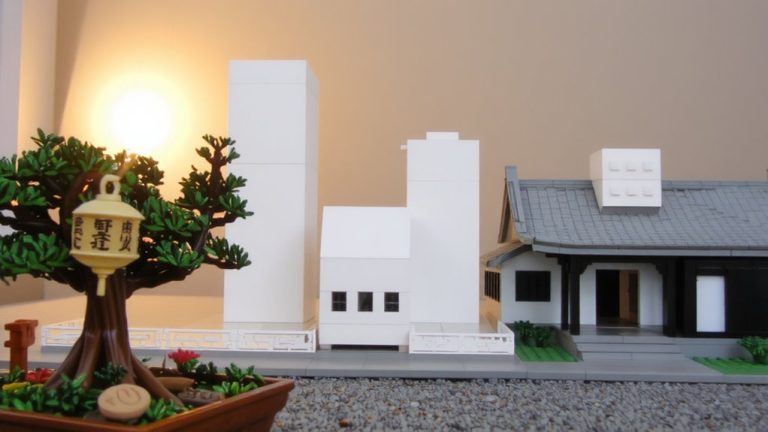
Envision snapping together LEGO tires made from recycled fishing nets, or building a forest from sugarcane-based trees-this isn’t the future, it’s happening now. You’re playing with sustainable materials that meet strict safety and durability standards, thanks to LEGO’s $140.5 million R&D investment. Those tires? They contain at least 30% recycled content, blending recycled fishing nets and recycled engine oil. Your botanical elements use sugarcane-based bio-PE-a type of bio-based polyethylene-which is a durable, plant-based materials win. Over 600 alternatives were tested to perfect this. Now, more than half of LEGO brick production includes renewable content. Even transparent bricks use recycled acrylic from post-industrial waste. You’re not just building sets-you’re supporting a shift toward sustainable materials in every brick, with performance that matches the originals, tested and trusted by builders worldwide.
Closing the Loop: Reusing Bricks Through LEGO Replay
Because great toys deserve a second life, LEGO Replay gives your used bricks a fresh start while keeping them out of landfills. Through the LEGO Replay programme, your pre-loved LEGO bricks are collected and redistributed across the US, Canada, and UK-over one million pounds so far. Each set undergoes thorough cleaning and repackaging before being donated to children in need, extending the lifecycle of every piece. This effort supports LEGO’s circular economy vision, reducing waste and maximizing play value. You’ll notice the new packaging uses recyclable paper-based materials, part of LEGO’s push to eliminate single-use plastic. Their collaboration with the Ellen MacArthur Foundation strengthens these circular economy principles, ensuring your old sets get a meaningful second turn on the mat. It’s practical reuse done right-simple, scalable, and built to last.
Powering LEGO Factories With Solar and E-Methanol
You’ve seen how LEGO Replay keeps bricks in play and out of landfills, but what powers those factories turning recycled ideas into real sets? Your favorite builds now come from LEGO factories increasingly run on renewable energy, with solar energy capacity up 61% in two years. A new Virginia solar park will help reach 100% renewable energy for U.S. production. For heating and production where direct electrification isn’t feasible, LEGO’s investing in e-methanol - a synthetic fuel produced from green hydrogen and captured carbon dioxide. The Kassø, Denmark plant, launched in 2025, is the world’s first commercial e-methanol source, aiding in decarbonising sectors like toy manufacturing. This shift supports LEGO’s net zero goal, cutting natural gas use to just 9% in 2025. It’s clean energy in action, shaping bricks with a lighter footprint.
How LEGO and WWF Are Teaching Kids About the Planet
While building castles, spaceships, or cityscapes, kids aren’t just having fun-they’re learning how to protect the planet, thanks to a decade-long partnership between LEGO and WWF Denmark that’s reshaping how toys teach sustainability. LEGO and WWF co-created the Planet Promise Design Guidelines, used by over 600 designers, to guarantee sustainable set designs and themed play experiences reflect real-world conservation and climate action. With 94% of parents believing play fosters understanding, the collaboration turns building time into environmental education. From bio-based elements to planet-friendly play narratives, each set promotes responsible resource use. The Planet Promise initiative doesn’t just shape products-it shapes mindsets. Through engaging, hands-on play, LEGO and WWF make teaching kids about the planet practical, fun, and measurable-proving that even small bricks can drive big change in kids’ awareness and action.
Replacing Plastic Packaging With Recyclable Paper
When you pick up a new LEGO set, there’s a good chance the plastic has given way to paper-since over half of LEGO’s packaging lines now use recyclable paper-based alternatives instead of single-use plastic bags. This packaging redesign replaces virgin plastic with materials sourced from renewable sources, supporting LEGO’s sustainability mission. Over 95% of the company’s packaging by weight is now paper or cardboard, all aiming for 100% sustainable materials by 2025. The new packs are technically recyclable in EU, US, and Canadian markets, thanks to a thin plastic coating that doesn’t hinder recycling. By shifting to recyclable paper-based alternatives, LEGO strengthens its supply chain and advances the circular economy. You’re not just unboxing bricks-you’re unwrapping sustainable packaging built to last, perform, and protect the planet.
On a final note
You’re getting bricks that last, made from plant-based plastics and recycled fishnets, with 50% sustainable materials now standard, and paper packaging replacing plastic, all while factories run on solar and e-methanol, reducing emissions by 43% since 2019, and LEGO Replay lets you donate used sets, so your builds stay fun, tough, and planet-friendly without sacrificing clutch power or color accuracy, just smarter play.