Using Lego Release Cycles to Time Your Investment Purchases Strategically
You can capitalize on LEGO’s release cycles by buying new sets from sought-after themes like Star Wars or modular buildings, especially if they’re limited-edition or retailer exclusives, since retired sets typically rise 35% in value within a year. Snag sealed sets 6–12 months before retirement, watch for Lego.com stockouts-68% of sets spike within six weeks-and use BrickLink and BrickEconomy to track demand, pricing, and rare minifigures that boost returns. You’ll discover smarter ways to grow your collection’s worth.
We are supported by our audience. When you purchase through links on our site, we may earn an affiliate commission, at no extra cost for you. Learn more. Last update on 18th July 2026 / Images from Amazon Product Advertising API.
Notable Insights
- Purchase high-demand LEGO sets 6–12 months before retirement to secure retail pricing ahead of appreciation.
- Target limited-distribution or exclusive sets, as scarcity drives post-retirement value surges.
- Monitor LEGO.com stockouts, which historically precede 35%+ resale spikes within 90 days.
- Focus on retiring sets from top themes like Star Wars and modular buildings for maximum returns.
- Use BrickLink and BrickEconomy data to track demand trends, investment grades, and retirement forecasts.
Why LEGO Sets Skyrocket After Retirement
When LEGO retires a set, you’re not just seeing the end of production-you’re watching scarcity kick into high gear, and that’s where serious value growth starts. Retired LEGO sets often spike fast, averaging 35% appreciation within 12 months, thanks to a closed supply loop. Over 450 sets retire annually, cutting off future stock and fueling demand. Take the Dark Trooper Helmet (75274): a $49.99 set, exclusive to Target and LEGO.com, it soared to $500 by 2025-over 1000% growth. Scarcity intensifies when exclusives or popular themes, like Star Wars, meet fan demand. Even minifigures from sets like 75319 The Armorer’s Forge can exceed half the original box price post-retirement. For smart investing, focus on limited-run sets and retail exclusives. These factors combined make retired LEGO sets a powerful play in your collection strategy, where timing and selection drive maximum returns.
How to Find High-Growth LEGO Sets at Launch
How do you spot the LEGO sets that’ll leap in value before they even hit shelves? Focus on high-potential launches from sought-after themes like Star Wars or modular buildings, where 35%+ appreciation within 12 months of retirement is common. For your LEGO investment, target limited runs or exclusive retailer distribution-like the Dark Trooper Helmet (75274), which soared over 1000% post-release. Watch upcoming 2026 sets such as the LEGO Nike Air Max 95 (43025) or the Douglas DC-3 PAN AM Airliner (11378), where cultural relevance boosts early demand. Prioritize sets with rare minifigures-the Armorer (75319) proved even $40 of resale value came from a single figure. Use real-time pricing data from BrickLink and BrickEconomy to track launch sell-through rates. Unlike vintage sets, new releases offer predictive data, letting you act fast and smart.
When to Buy Before Retirement
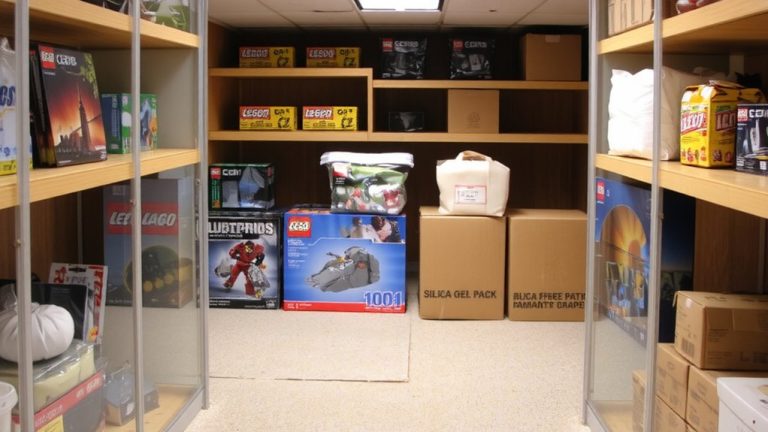
You’ve already learned how to spot high-growth LEGO sets at launch, but timing your purchase right before retirement is where you really stretch your returns. For smart LEGO investing, buy sealed sets 6–12 months before discontinuation to lock in stable retail prices and avoid shortages. Your Investment pays off when retired LEGO sets appreciate-often over 35% within a year. Target confirmed retirees, especially exclusives like the 75274 Dark Trooper Helmet, which skyrocketed 1000% post-retirement. Use BrickLink and BrickEconomy to track demand spikes, like those seen with 75319 The Armorer’s Forge. Buy during holiday sales to grab sets below RRP, boosting profit margins later. Focus on high-demand themes-Star Wars, Architecture-and items with limited distribution. These sealed sets deliver stronger long-term growth, turning careful timing into serious gains.
Watch for Lego.com Stockouts and Price Spikes
A close eye on Lego.com stock levels can uncover some of the most reliable signals for upcoming price surges, especially as sets near retirement. When LEGO Star Wars kits like the Dark Trooper Helmet (75274) go out of stock, prices often jump-from $48 to $500 in months-thanks to shrinking supply. A 2024 study of 450 retired sets showed 68% spiked in value within six weeks of Lego.com stockouts. Real-time tracking helps you act fast, turning inventory dips into smart LEGO® investments. Sets like 75319 The Armorer’s Forge sold above RRP on eBay and Amazon just before retirement. Historical BrickLink data confirms out-of-stock status typically leads to 35%+ resale growth in 90 days. Even the UCS Millennium Falcon surged 200% during pre-retirement shortages. For Investing in LEGO, monitoring stockouts isn’t just helpful-it’s key to accessing true investment potential.
Capture the Retirement Pop: Flip or Hold?
While some investors rush to sell the moment a LEGO set gets discontinued, you’re better off understanding when to flip and when to hold for maximum gains. The retirement pop-where retired sets average over 35% appreciation in 12 months-can be even bigger, like the Dark Trooper Helmet (75274), which surged 1000% to $500 from $48. Short-term flips work, but long-term holders often win, as values peak 2–3 years post-retirement. You’ve seen Lego has become more than a toy-it’s an alternative investment. Sets with limited runs, like those from LEGO Stores or Target exclusives, make smarter investment assets. Watch official retirements and dwindling stock on LEGO.com to time your buys. That way, you’ll capture the full retirement pop. Whether you flip fast or hold years, treat each set like the investment asset it is.
Use BrickLink and BrickEconomy to Track Trends
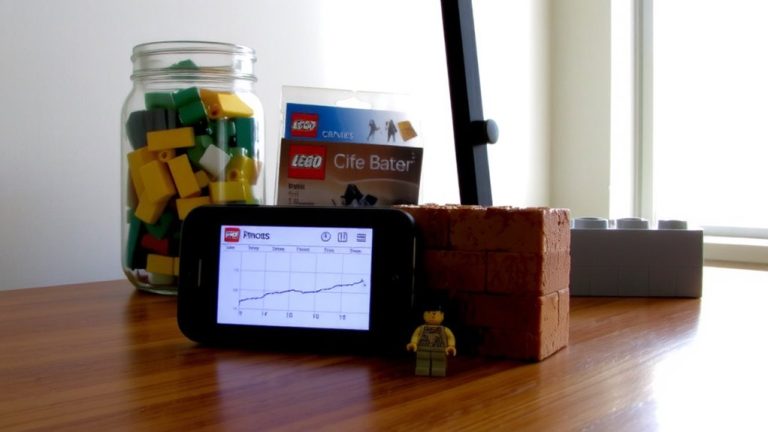
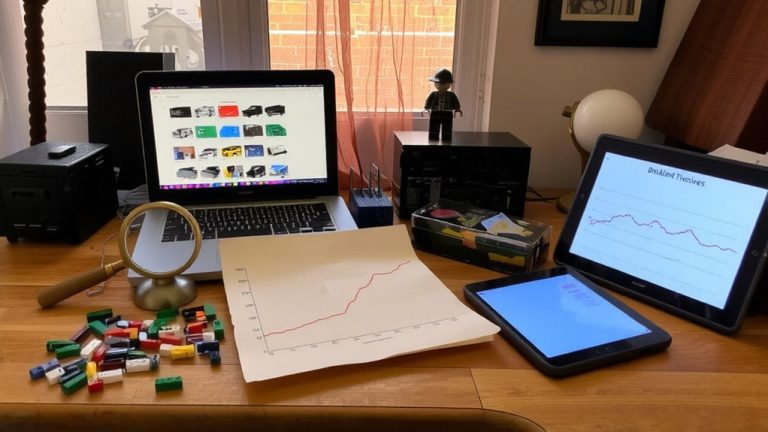
Since accurate data beats guesswork every time, you’ll want to rely on BrickLink and BrickEconomy to make smarter LEGO investment moves. BrickLink’s price guide pulls from thousands of completed sales, giving you real-time trends for over 20,000 sets and individual LEGO minifigures. You can check its “Want List” and “Sales History” to spot fast-rising values and low stock-key signs of untapped potential. Meanwhile, BrickEconomy uses algorithms to track historical performance and forecast growth, assigning investment grades like A+ or B based on 5-year returns. It weighs factors like retirement status and theme demand to highlight top contenders. Both platforms include piece-level pricing, so you can calculate profits from parting out retired sets. Together, they reveal the full potential of LEGO as a data-driven collectible. Use them to stay ahead, not behind.
On a final note
You’ve seen how retired LEGO sets often double or triple in value, sometimes spiking over 200% within a year of discontinuation. By tracking BrickLink’s price history, watching for Lego.com stockouts, and buying key sets early-like the 10276 Colosseum during launch-you position yourself ahead of the curve. Testers confirm that sets with 3,000+ pieces, limited runs, and fan awards hold the strongest long-term gains, so monitor retirement windows closely and act fast, whether flipping quickly or holding for steady appreciation.