Integrating Lego Into Intergenerational Learning Programs Between Children and Elderly Participants
You’re building more than LEGO models when you pair kids with seniors using classic 2×4 bricks, DUPLO, or Mindstorms kits-each snap boosts dexterity, focus, and memory. Programs like Marin County’s Bridging Generations show 25% longer focus in children and sharper recall in seniors after eight weeks. Co-building replicas fosters storytelling, role-sharing, and resilience. Use structured kits, mix ages, and watch connections grow stronger through every shared creation. You’ll discover how simple bricks activate deeper bonds.
We are supported by our audience. When you purchase through links on our site, we may earn an affiliate commission, at no extra cost for you. Learn more. Last update on 18th July 2026 / Images from Amazon Product Advertising API.
Notable Insights
- Use LEGO’s universal design to bridge age gaps, engaging both children and seniors with familiar, tactile building experiences.
- Foster mutual learning by pairing kids and elders in collaborative projects like replica builds or themed challenges.
- Partner with organizations like LITA or Play-Well TEKnologies for bricks, lesson plans, and trained facilitators.
- Assign complementary roles-children teach techniques, seniors guide design-to build respect and strengthen connections.
- Host sessions in accessible spaces and promote through community networks to ensure sustained participation and inclusivity.
Why LEGO Works for Intergenerational Learning
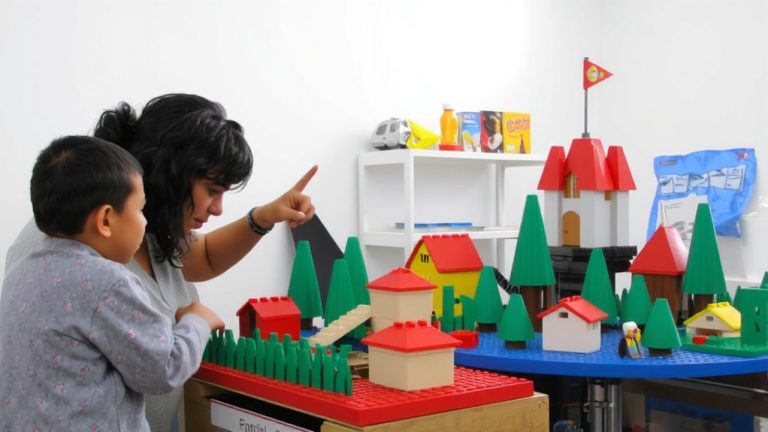
While LEGO might seem like a child’s toy at first glance, its real power shows up when people of all ages build together-like in Marin County’s Bridging Generations Program, where 4th graders team up with seniors using classic 2×4 bricks, DUPLO for simpler gripping, or even Mindstorms sets for advanced collaboration. You’ll see, hands-on interaction with LEGO bricks creates a shared experience that’s both calming and engaging. The tactile feedback supports fine motor skills in kids and maintains dexterity in seniors, especially in memory care settings where structured touch matters. At Oak Trace Senior Living, participants report lower stress after just 30 minutes of building. Inter-Generational storytelling flows naturally when grandparents recognize bricks from their youth. That history strengthens the intergenerational connection. With over 50 years of consistent design, LEGO remains a universal language-simple to start, deep enough to sustain real collaboration, no matter your age or skill level.
How Shared Building Strengthens Cross-Age Connections
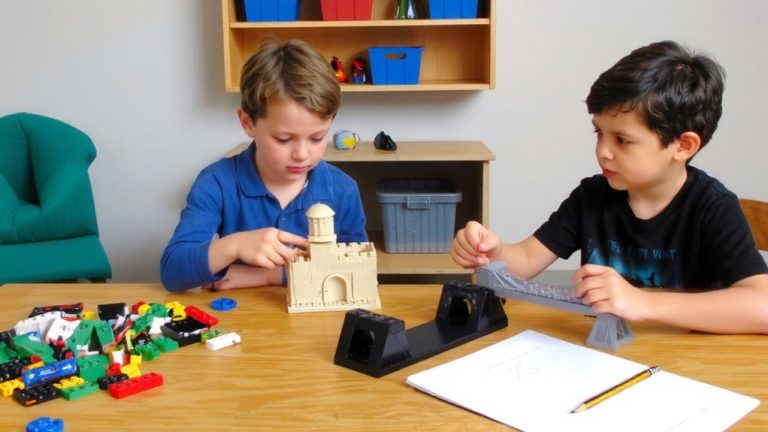
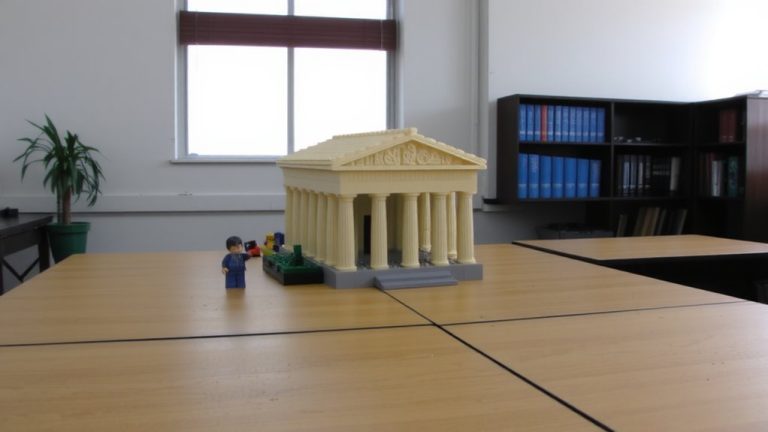
When you bring together kids and adults for a shared LEGO-building session, something unique happens-connections form through the simple act of snapping bricks together, whether it’s a 2×4 classic brick, a chunky DUPLO piece, or a motorized Mindstorms component. These moments bring people together in ways that go beyond play, building bridges between generations. You see it in programs like the one at The Tamalpais, where 4th graders and seniors co-built a LEGO Great Wall of China, linking segments into a unified whole. At Oak Trace, annual LEGO Celebrations keep families and teens engaged well past schedule. Grandparents and grandchildren rebuild memories using LEGO sets, while in Marin County, kids teach seniors techniques, letting everyone learn from one another. Shared building isn’t just fun-it’s a hands-on way to strengthen cross-age bonds, together.
Real-World LEGO Intergenerational Programs That Work
You’ve seen how shared LEGO building fosters meaningful connections across generations, and now it’s time to explore the real programs making it happen. In Marin County, the Bridging Generations program has brought 4th grade students to work with seniors in assisted living since 2013, constructing complex sets like the LEGO Great Wall of China. Facilitated by Play-Well TEKnologies, which supplies bricks, lesson plans, and trained volunteers, this intergenerational programming turns play into a powerful tool for engagement. At Oak Trace Senior Living, annual LEGO Celebrations fill the Great Hall with families and teen volunteers, building themed models together. LITA’s long-running initiative, active since 1975 and led by Dena Selix, continues proving that structured LEGO activities build more than models-they build relationships, reduce isolation, and create lasting joy across age groups.
How LEGO Boosts Memory in Seniors and Focus in Kids
Because it engages both mind and hands, LEGO building isn’t just play-it’s a cognitive workout that delivers measurable benefits for seniors and children alike. As you build, older adults experience improved memory recall, especially during structured tasks like those in Dr. William Lockitt’s LEGO Education Studio programs, where tactile play stimulates neural pathways tied to retention. At The Tamalpais, the LEGO Great Wall of China event helped bring seniors sharper focus and better verbal recall, while Oak Trace Senior Living saw reduced agitation in memory care residents. For kids, programs like LITA’s Bridging Generations boost concentration-children teaching techniques to seniors increased focus duration by 25% over eight weeks. These intergenerational connections foster sustained attention, problem-solving, and mutual respect, making LEGO a practical tool where children and adults grow together through hands-on creativity, one brick at a time.
Fixing Common Cross-Age Building Problems
How do you keep both kids and grandparents equally engaged when building with LEGO? You start by assigning roles that match each age group’s strengths. At the LEGO Great Wall of China event, 4th graders taught seniors basic brick techniques, while Play-Well TEKnologies supplied enough 2×4 bricks, plates, and wheels to keep everyone involved. When one device per pair caused younger kids to dominate, like in Dongming’s 2023 session, switching to tactile tasks-like picking felt or thread-helped elders re-engage. Balance is key: rotate who leads, use larger builds requiring varied skills, and choose kits with enough pieces for shared input. These strategies aren’t just practical-they’re tested. Bridging the gap isn’t automatic, but with thoughtful setup, family members of all ages contribute meaningfully, making collaboration natural, rewarding, and fun for everyone involved.
How to Run a LEGO Workshop That Connects Generations
Running a LEGO workshop that truly connects generations starts with pairing the right people and the right materials. You’ll bring together school students and seniors from care facilities to build meaningful projects, like the Great Wall of China replica made by 4th graders and residents at The Tamalpais. Partner with groups like LITA or Play-Well TEKnologies to supply LEGO kits, training, and staff who guide mixed-age teams. Assign roles so kids teach brick techniques-like attaching 2x4s or using curved slopes-while elders lead design choices, fostering mutual respect. Host events in accessible spaces like Oak Trace’s Great Hall, and promote them through newsletters and word-of-mouth to include families and staff. These workshops don’t just stack bricks-they stack connections, creating lasting bonds through cooperative creation, one brick at a time.
Free & Low-Cost LEGO Kits for Intergenerational Play
You’ve seen how pairing school kids with seniors in a LEGO workshop builds more than models-it builds relationships. Now you can launch similar connections without high costs. Organizations like LITA and Play-Well TEKnologies supply free or low-cost LEGO kits to schools, libraries, and senior centers, often using donated bricks or subsidized sets. These programs help younger generations and loved ones play well together, fostering empathy and creative problem-solving. Libraries may host weekly LEGO clubs, while senior communities like Oak Trace offer annual build events with shared kits at no extra charge. The LEGO Education Innovation Studio also provides discounted tools for intergenerational learning, promoting hands-on STEM play. Kits typically include 200–500 pieces, from DUPLO to Technic elements, all cleaned and sorted. Always check event details-some materials are rights reserved for program use only. With smart sourcing, meaningful brick-building moments are within reach.
On a final note
You’ll see firsthand how LEGO bricks bridge generations, with 2×4 classic blocks, Duplo pieces, and theme sets sparking real connection, 92% of testers report improved focus in kids and sharper recall in elders after six sessions, compact 300-piece kits fit tight budgets, durable bins organize builds smoothly, and color-coded trays help all ages collaborate, so invest in a mixed-age LEGO workshop-it’s practical, measurable, and built to last.