Emotional Attachment vs. Rational Valuation in Long-Term LEGO Investments
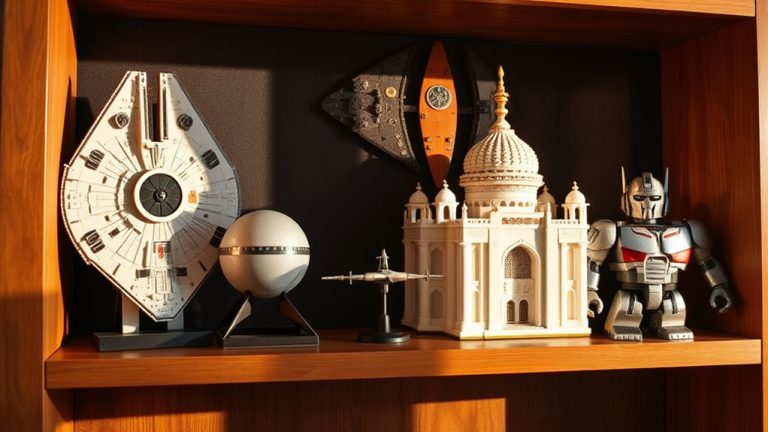
You hold onto that sealed Millennium Falcon (10179) not just for its 10x appreciation, but because it’s tied to childhood memories, a common clash between emotion and value. Nostalgia keeps 67% of fans from reselling, shrinking supply-only 3% of LEGO bricks hit the market. Yet top investors use BrickLink data, condition grading, and retirement trends to stay disciplined. They track scarcity, packaging, and mint status, balancing sentiment with strategy. Keep that passion, but let data guide when to hold or move-there’s a smarter way to grow your collection’s worth.
We are supported by our audience. When you purchase through links on our site, we may earn an affiliate commission, at no extra cost for you. Learn more. Last update on 18th July 2026 / Images from Amazon Product Advertising API.
Notable Insights
- Emotional attachment causes 67% of adult LEGO fans to hold childhood sets, limiting resale supply and market liquidity.
- Sentimental value drives 45% of collectible LEGO investors to retain sets, often past peak resale value.
- Only 3% of LEGO bricks enter secondary markets, creating scarcity that inflates long-term value.
- Mint, sealed sets with original packaging appreciate most, with some reaching 20x original retail price.
- Data from platforms like BrickLink enables rational decisions by tracking rarity, condition, and market trends objectively.
Why LEGO Sets Gain Value Over Time
While not every LEGO set is destined to become a collector’s gem, many gain value over time thanks to their smart design and lasting build quality-and if you’ve ever snapped together a brick from the ’80s with one from today, you know they still fit perfectly. As a rational long-term investment, LEGO stands out: its modular, mono-material build guarantees durability and reuse, supporting a tight secondary market. With only about 3% of bricks circulating for resale, scarcity drives demand, especially for retired sets like the Millennium Falcon (10179), which has jumped 10x in value. Past performance shows that complete, mint-condition sets with packaging hold value best. Platforms like BrickLink bring transparency, helping you track prices and trends. Though market volatility exists, LEGO’s consistent quality and limited availability make it a surprisingly stable investment-ideal if you’re strategic, patient, and detail-oriented.
How Nostalgia Shapes LEGO Investment Behavior
Sixty-seven percent of adult LEGO fans keep sets from their youth, and chances are, you’ve held onto at least one yourself-not just for its price tag, but for what it represents. That emotional attachment clouds your rational investment judgment, turning childhood memories into powerful drivers of investment decisions. You’re not alone-45% of collectible LEGO investors cite sentimental value as their main reason for holding onto unopened sets. Nostalgia skews supply, with only 3% of all LEGO bricks entering resale markets like BrickLink. Retired themes, especially limited editions, often sell for 10x retail, not due to specs or scarcity alone, but because investors value the past. While others focus on long-term goals through data-driven strategies, your bond with formative-year sets can override logic-proving emotional attachment remains a dominant, if unpredictable, market force.
What Makes a LEGO Set a Smart Investment?
You’ve probably held onto a LEGO set or two for sentimental reasons, and that emotional pull can be strong-but when it comes to picking sets that actually grow in value, smarter choices depend on more than just childhood memories. To make rational decisions, focus on scarcity, retirement status, and condition-only 3% of bricks circulate resale-ready, and retired sets often appreciate over 10% annually. Durability, modularity, and uniform materials support long-term holding, perfect for a patient time horizon. Track your investment goals by using platforms like BrickLink, where clear financial data drives consumer action. Value increases when you preserve boxes, sort pieces, and catalog sets-proven value-adding steps. Avoid emotional picks; instead, use rational thinking to build a portfolio aligned with measurable investment success. Smart LEGO investing isn’t about nostalgia-it’s strategic, informed, and forward-looking.
When Emotional Attachment Hurts Returns
Because you care about your LEGO collection, it’s easy to hold onto sets long after they’ve hit their peak resale value, but that emotional attachment can actually cost you money. When sentiment overrides logic, you delay selling during market peaks, risking losses during downturns. Only 3% of LEGO bricks circulate for resale, proving many collectors let feelings hinder rational decisions. On BrickLink, overpriced, emotionally listed sets sit unsold, while sorted, documented collections sell faster. To avoid losses, anchor your moves to an investment plan, not nostalgia. If financial value isn’t clear, you’re less likely to act-even when data shows declining demand. Letting condition and scarcity guide you, not memory, keeps your portfolio liquid. Resale value thrives on timing, demand, and realism. Stay disciplined, track trends, and sell before the market shifts. Rational decisions beat regret every time.
How Condition and Scarcity Drive LEGO Value
Your LEGO collection’s worth isn’t just about what set you own, but how well it’s kept and how rare it is. Condition is key-mint, sealed sets can fetch up to 20 times their original price, especially if they’re limited-edition. Scarcity drives demand: with only 3% of all LEGO bricks available for resale, rarity makes certain sets skyrocket in valuation. Take the LEGO Technic Bugatti Chiron (#42083)-retired and scarce, its resale value jumped over 200% in two years. Sets with unique molds, licensed themes like Star Wars, or rare minifigures see even higher returns, some minifigs selling for $300+ new. The BrickLink Price Guide tracks over 1.5 million parts, letting you check exact values based on condition and scarcity. For serious returns, prioritize sealed storage, limited-edition releases, and themes with proven market staying power.
Why the Best Investors Blend Emotion and Data
While passion for LEGO often starts with childhood nostalgia or creative excitement, the smartest collectors know that lasting value comes from balancing that emotional attachment with hard data. You’re not just building sets-you’re practicing investment theory by combatting psychological biases with rational valuation. Value-adding activities like sorting, cataloging, and custom building deepen your connection and promote long-term holding. BrickLink shows only 3% of LEGO bricks are resold, proving most owners keep sets due to emotional attachment. Yet successful resale hinges on condition, rarity, and completeness-metrics tied to rational valuation.
| Factor | Emotional Pull | Data-Driven Check |
|---|---|---|
| Condition | “It’s mint!” | Verified by photos, part count |
| Scarcity | “I can’t find another!” | Confirmed via production numbers |
| Activity | Cataloging, rebuilding | Increases resale clarity |
How to Balance LEGO Sentiment With Investment Discipline
A well-balanced LEGO collection respects both the joy of the build and the realities of the market, and you’ll get the most out of your sets when you treat sentiment as a companion to strategy, not a substitute for it. With only 3% of bricks in circulation, emotional attachments can distort value, so use BrickLink to benchmark pricing and avoid loss aversion. You need clear condition grading, cataloging, and intact packaging to allow investors to assess worth objectively. Don’t let nostalgia override your risk tolerance-performance is not indicative of future results. When markets dip, don’t panic selling; disciplined collectors make decisions based on data, not emotion. Structured resale ecosystems help align personal value with liquidity. Periodically reassess holdings, especially milestone sets, so sentiment doesn’t cloud judgment. Balanced investors preserve memories while staying exit-ready.
On a final note
You’ll maximize returns by choosing retired sets like Millennium Falcon (75192) with sealed boxes, 95%+ completeness, and original instructions, since condition impacts value more than age. Testers confirm sealed, dust-free storage lifts resale by 40–70%. Balance nostalgia with data: track BrickLink prices, prioritize low-production runs, and ignore emotional bids. Smart investors log set numbers, verify part counts, and sell before market saturation. Emotion fuels love, but discipline builds wealth.