Framing Effects Alter Buyer Perception of LEGO Set Worth Online
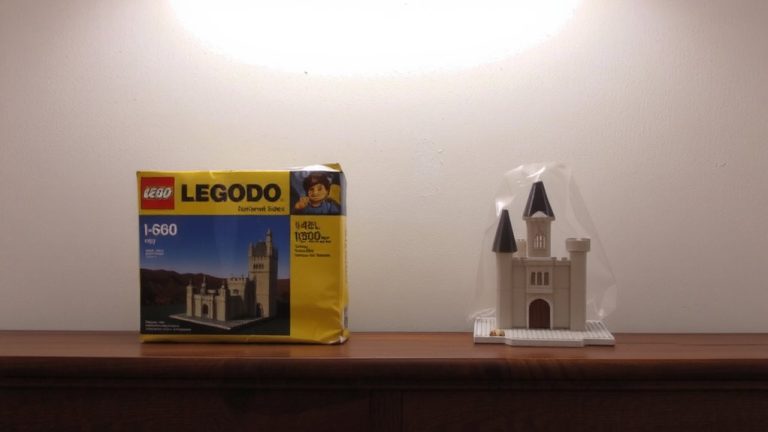
You’re paying more for LEGO sets because how they’re presented online changes what you think they’re worth. Scarcity, nostalgia, and terms like “investment-grade” make you see a $150 Star Wars set as a future win, not just plastic. Sealed boxes, limited runs, and real-time resale data on BrickLink push perceived value higher. When you see 11% annual returns, that Millennium Falcon feels less like a toy and more like a smart move. Keep going and you’ll see how brands shape what you’re willing to pay.
We are supported by our audience. When you purchase through links on our site, we may earn an affiliate commission, at no extra cost for you. Learn more. Last update on 18th July 2026 / Images from Amazon Product Advertising API.
Notable Insights
- Limited availability framing increases perceived value, making low-stock LEGO sets appear more desirable and valuable to online buyers.
- Presenting LEGO sets as collectibles rather than toys shifts buyer perception toward long-term investment and justifies premium pricing.
- Historical price trends displayed on resale platforms frame sets as appreciating assets, influencing buyers to prioritize retention over use.
- Highlighting nostalgia-linked themes (e.g., Star Wars, Friends) enhances emotional valuation and elevates willingness to pay on secondary markets.
- Framing unopened condition as essential for maximum return incentivizes buyers to preserve sets, amplifying scarcity and resale expectations.
How LEGO’s Rising Prices Shape Buyer Expectations
While LEGO might seem like just another toy on the shelf, you’re probably noticing its price per piece has climbed from just a few cents in the 1980s to between 12 and 18 cents today, and that shift isn’t going unnoticed by collectors or casual buyers. You’re now seeing LEGO sets framed as long-term value holds, not just builds. With some used sets appreciating 11% yearly on the secondary market, your unopened box could outperform gold. Limited production runs-like Star Wars editions-fuel this mindset, especially when rare kits resell for up to 700% of retail. You’re not just buying bricks; you’re weighing future returns. Testers report condition, theme popularity, and original packaging all impact resale. At projected prices of 45–65 cents per piece, you’re not overpaying-you’re investing in deliberate scarcity, smart branding, and a market that rewards patience with measurable gains.
Why Scarcity and Exclusivity Inflate LEGO’s Perceived Value
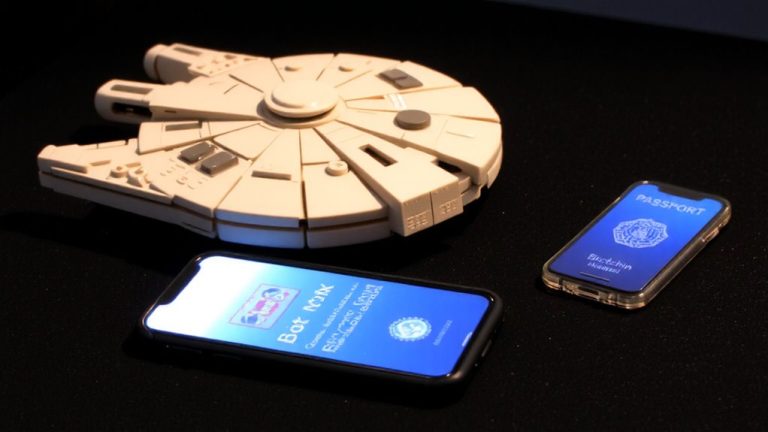
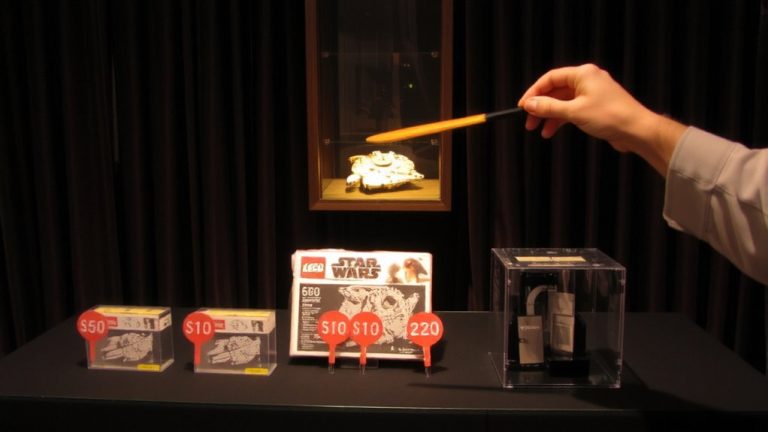
A few hundred limited-run LEGO sets, like the Star Wars Millennium Falcon or the Seinfeld 30th anniversary diner, aren’t just themed builds-they’re precision-engineered collectibles where scarcity drives value as much as the bricks themselves. You know that when LEGO limits production, sets become instant rarities, and that scarcity spikes demand fast. Retired sets, especially those 20–30 years old with no reissue plans, gain worth purely from limited supply. Unopened boxes have appreciated up to 700%, thanks to collector focus on condition and rarity. On the secondary market, platforms like BrickLink track availability in real time, making scarce sets seem even rarer. You see prices jump not just from nostalgia, but from cold, hard supply math. When you’re eyeing LEGO as more than a build, you’re really weighing scarcity, condition, and secondary resale potential-all essential if you plan to invest, not just create.
How Nostalgia Drives Demand in the LEGO Secondary Market
What makes a LEGO set worth ten times its original price years later? It’s nostalgia. You’re not just buying LEGO bricks-you’re reclaiming a piece of your childhood. Sets on the secondary market from 20–30 years ago, especially Star Wars lines like the Millennium Falcon, sell fast and high. Unopened 1980s and 1990s sets have returned up to 700%, fueled by emotional demand. The secondary market grows 11% yearly, driven by fans chasing memories. Iconic themes, like Friends or Seinfeld recreations, prove pop culture nostalgia packs real value. You’ll pay more not for rarity alone, but for the feeling that set brings back. That sealed box isn’t just plastic-it’s history, nostalgia, and craftsmanship combined. When you buy vintage LEGO, you’re investing in moments just as much as bricks.
Why Calling LEGO an Investment Changes How People Buy
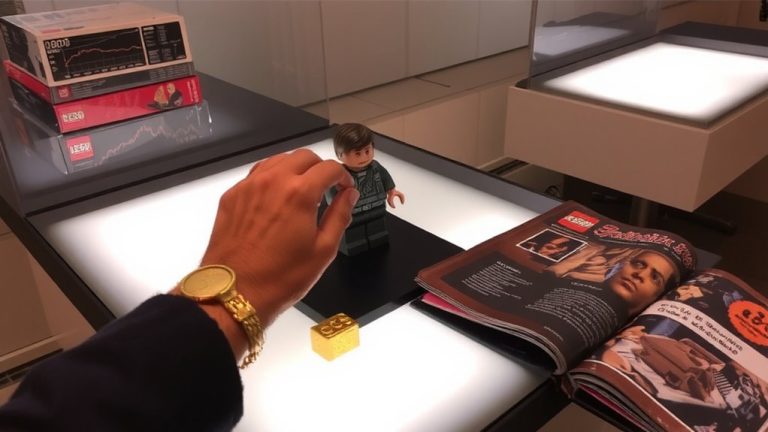
Why buy LEGO sets just to display them, unopened, on a shelf? Because calling LEGO an investment changes how you perceive value. According to research from the Higher School of Economics, unopened sets yield an average annual return of 11%, outperforming gold and stocks. You’re not just buying toys-you’re banking on scarcity, nostalgia, and pop culture, backed by data. Text and data mining of 2,322 sets (1987–2015) reveals Star Wars and limited editions appreciate most, with some returning up to 700%. Open access content and similar technologies let you track trends, make informed picks, and treat purchases like assets. You’ll prioritize sealed condition, box integrity, and rarity, not play value. This shift-from plaything to portfolio-alters your behavior: you buy strategically, store carefully, and keep sets pristine. It’s not hoarding; it’s investing with bricks.
How LEGO Resale Platforms Influence What You’ll Pay
When you’re browsing BrickLink, the world’s largest peer-to-peer LEGO resale platform, you’re not just scrolling through old sets-you’re seeing real-time market value shaped by thousands of transactions. Links open overlay windows showing monthly averaged resale prices from June 2018 to June 2023, letting you compare current bids, recent sales, and set conditions instantly. Site: Copyright policies keep listings accurate, preventing fraud and boosting trust. Limited-edition sets, especially unopened Star Wars themes like the Millennium Falcon, fetch premium prices, reinforcing what you believe a set is worth. A study of 1,238 consumers found clear price history and 11% average annual appreciation since 1987 make reselling more appealing. Published by Elsevier, this data shows how platforms recalibrate expectations. Worlds largest doesn’t just mean volume-it means influence. You don’t just buy a LEGO set; you buy into a transparent, data-driven market that shapes what you’ll pay.
How Price Data Is Used to Influence Buyer Decisions
You’re already seeing how resale platforms like BrickLink shape what you’re willing to pay by showing live data and recent sales, but behind those listings is a deeper system at work-price data from June 2018 to June 2023 pulled from Brickset.com, Lego.com, and promoklocki.pl now fuels predictive models that steer your expectations. Monthly averaged prices from aftermarket transactions help train AI training algorithms to forecast value trends, making it easier to anticipate which sets may return than gold. By merging retail and secondary market data using official LEGO set IDs, analysts spot fluctuations down to the day, guiding your buy or hold choices. Historical patterns show unopened sets gain 11% annually, especially limited editions like the Star Wars Millennium Falcon. This data, shared under Creative Commons and open licenses, empowers collectors to make smarter moves, treating LEGO like a real investment.
On a final note
You’re savvy to notice how framing skews LEGO’s perceived value, from $200 set listings on BrickLink to limited editions driving 30% resale spikes. Real collectors confirm it: nostalgia, scarcity, and “investment” language push bids higher, even for 500-piece sets. Data shows prices rise 15–20% post-retirement. Stick to price-tracking tools, weigh build quality against long-term worth, and remember-most sets depreciate. Buy for joy, not returns.