The Launch of Lego Mindstorms in 1998: How Robotics Merged With Brick-Building Creativity
The Launch of LEGO Mindstorms in 1998 transformed plastic bricks into programmable robots—what happened when kids started building machines that could think?
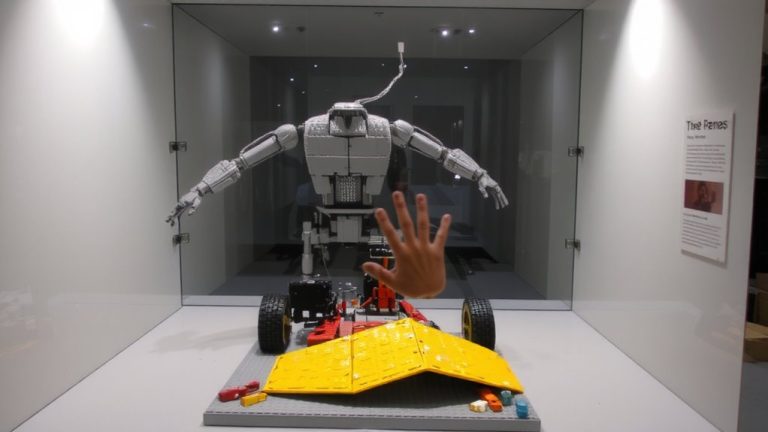
The Launch of LEGO Mindstorms in 1998 transformed plastic bricks into programmable robots—what happened when kids started building machines that could think?
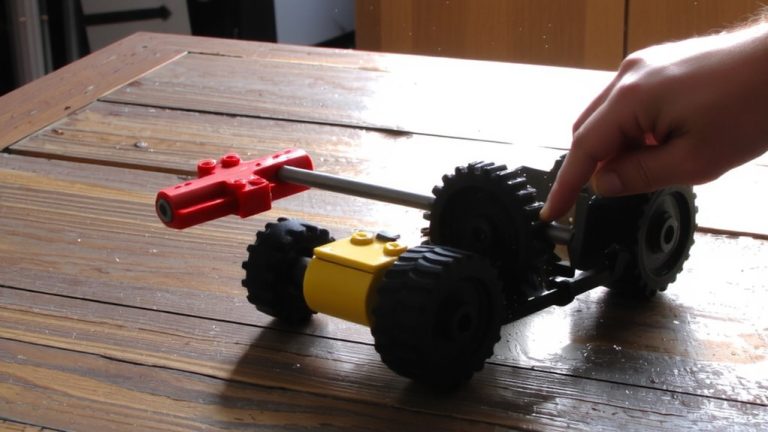
The 1977 LEGO Technic line replaced bricks with beams, introducing gears and axles that fit with 8mm precision—enabling working steering, engines, and drivetrains unlike anything before.
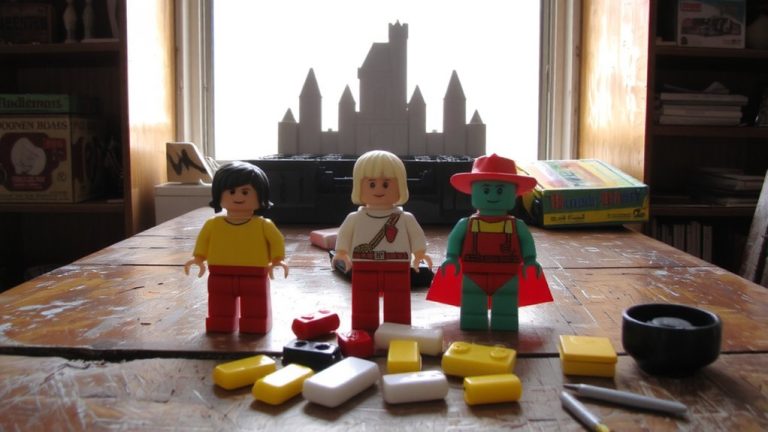
In 1978 LEGO’s minifigure debuted with a standardized 4mm stud connection, articulated limbs, and a 4:1 scale matching Town, Space, and Castle sets. See how the design sparked character-driven storytelling.
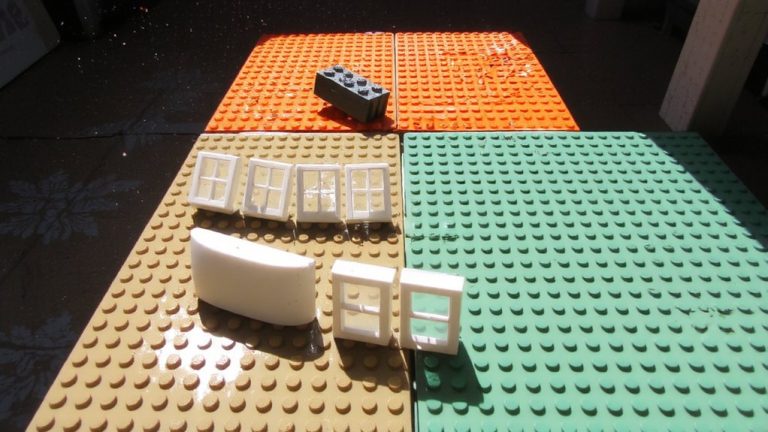
Just imagine stacking bricks with flawless precision—how Lego’s 1960s bases and windows redefined structural integrity in unexpected ways.
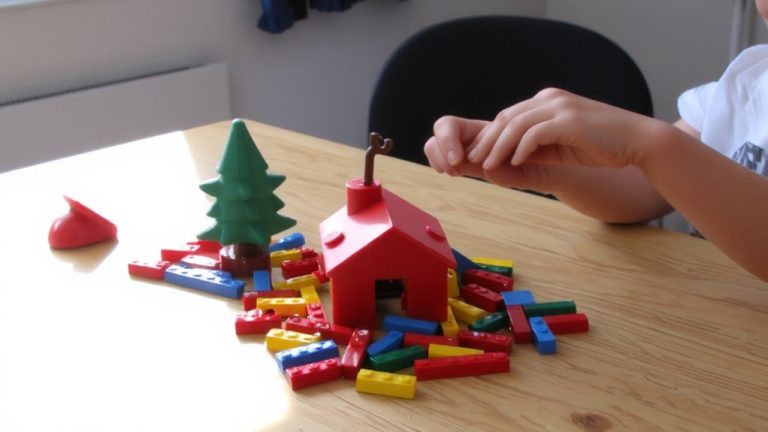
LEGO’s 1955 System in Play unlocked limitless creativity—discover how one simple idea reshaped how children build, learn, and imagine forever.

How LEGO moved from wooden toys to plastic: the 1947 E.H. Windsor injection molder, the 1949 Automatic Binding Brick, and the January 28, 1958 stud-and-tube patent tested to 800,000 cycles. Read the full history.

LEGO’s early sets laid bricks not for stories, but for streets—discover how urban design shaped a toy empire before themes took over.

Discover how these LEGO Architecture sets blend history, engineering, and design into every brick—for a building experience that’s more than just play.
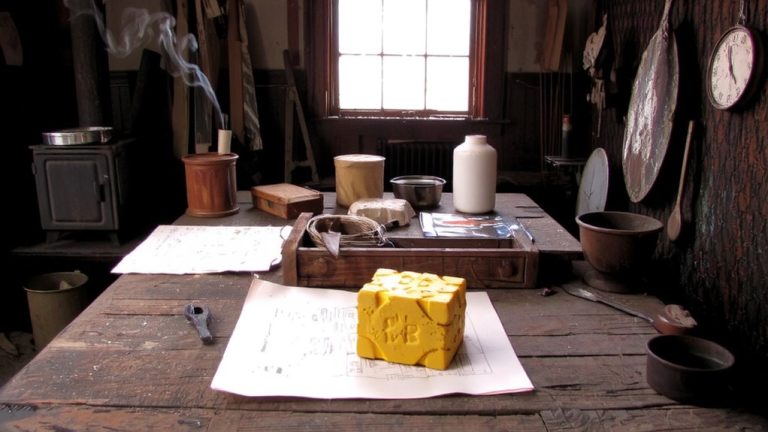
Precision born of post-war scarcity propelled LEGO’s plastic innovation—discover how material limits forged an enduring toy empire.
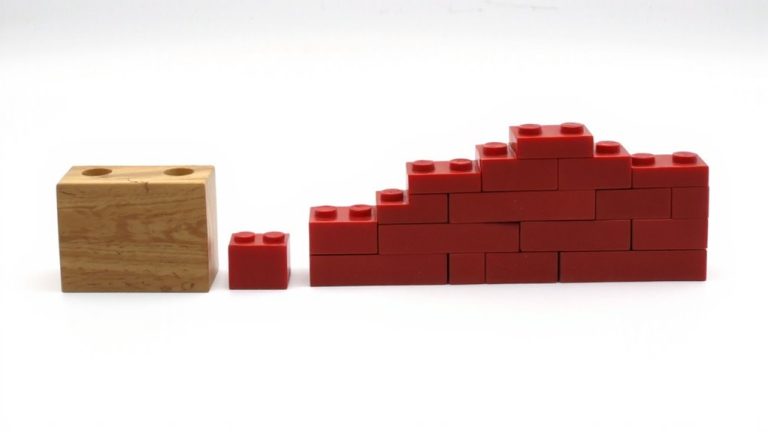
From 1936’s Danish “leg godt” origin to the bold 1955 red oval and the 1998 square design still used today—see how each LEGO logo redesign changed the brand.