Why Fear of Missing Out (FOMO) Drives Overbidding on LEGO Secondary Markets
You feel the pressure when rare LEGO sets like Mad-Eye Moody’s polybag jump from $5 to $300, and you know FOMO is real. Limited supply, retired molds, and nostalgic themes spike demand, while real-time bids on BrickLink or Brick Owl fuel urgency. You’re not just buying bricks-you’re chasing memories, and that $13 feather shows how fast emotions override logic. Online groups amplify every listing, turning browsing into bidding wars. Smart buyers check completed sales, track 90-day averages, and question prices over 200% of MSRP-there’s more to unpack.
We are supported by our audience. When you purchase through links on our site, we may earn an affiliate commission, at no extra cost for you. Learn more. Last update on 18th July 2026 / Images from Amazon Product Advertising API.
Notable Insights
- FOMO amplifies demand for rare LEGO figures, driving prices far beyond retail due to fear of scarcity.
- Real-time bidding on platforms like BrickLink creates urgency, pushing collectors to overpay quickly.
- Nostalgia for retired sets intensifies emotional attachment, leading 30–45-year-olds to bid irrationally.
- Social signals in online groups trigger herd behavior, turning listings into competitive bidding wars.
- Limited supply and retirement announcements accelerate price spikes, feeding investors’ fear of missing gains.
What Is FOMO in the LEGO Market?
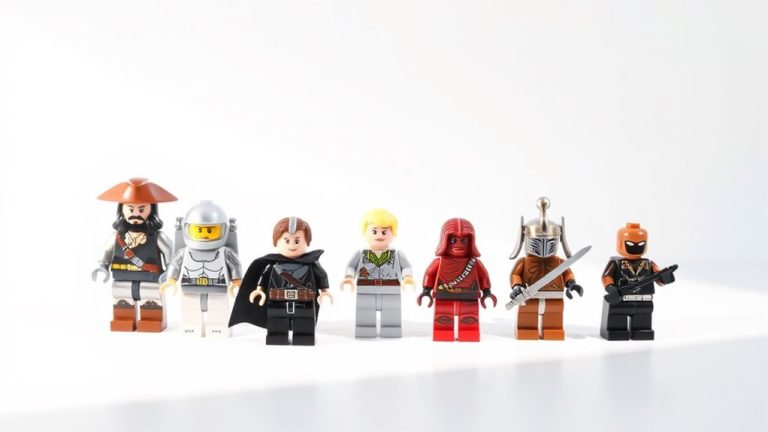
While you might think buying LEGO is just about bricks and build time, in the secondary market, emotion often drives the price more than plastic, and that’s where FOMO-fear of missing out-comes into play. Fear kicks in when you see market data showing a rare Amazon rainforest king figure or Mad-Eye Moody mini-figure spiking in value. You’re not just buying plastic-you’re racing against others who want the same piece, especially when supply’s low. On platforms like BrickLink, real-time pricing and active bids feed this urgency. Collectors in their 30s and 40s, driven by nostalgia and investment hopes, often overpay, worried they’ll miss out. A single $13 LEGO feather shows how extreme it gets. When scarcity looms, you’re not just bidding-you’re reacting, using market data as both guide and trigger, turning small bricks into high-stakes choices.
How Scarcity and Hype Spike LEGO Prices
Because limited sets don’t stick around long, you’ll want to act fast when you spot one-especially if it’s a retired piece like the Amazon Rainforest King figure or that hard-to-find 2023 Mad-Eye Moody polybag, which jumped from a $5 retail price to $300 on BrickLink. That’s the scarcity principle in action: low supply and high demand spike prices fast. Market trends show retired sets appreciate 8–10% yearly, making them smart picks if you’re investing. With over 10,000 daily trades on Brick Owl, prices shift quickly-especially after rebranding or discontinuation. Adult collectors, aged 30–45, fuel competition for nostalgic themes, often pushing bids above MSRP within minutes. Limited runs, like promotional polybags, sell out fast and resurface at huge markups. Watch Brickpicker data to spot rising trends early. Buying early means better value, tighter budgets, and fewer regrets later. Know the market, track retirements, and move fast-it pays off.
How Online Communities Fuel LEGO FOMO
When you see a rare LEGO piece pop up in a public group, like the Seattle Pokémon TCG Buy/Sell/Trade/Play post from August 2, 2025, where 19 active members instantly react, comment, and like the listing, you’re not just browsing-you’re in a live bidding arena, and that speed, visibility, and social pressure create real FOMO fast. Online communities amplify the Fear of Missing by making scarcity visible, immediate, and public, turning simple listings into competitive events. When sellers like AJ Holtz list niche items-say, a $13 plastic feather-on Brick Link or eBay, group chats light up, driving bids higher. Likes, comments, and shares fuel urgency, while debates over MSRP and scalping sharpen emotional stakes. You’re not just buying a brick-you’re claiming a piece others want, now. That’s how online communities turn interest into action, and browsing into bidding wars.
Why Emotion Wins in LEGO Markets
You’re not just buying plastic bricks-you’re reclaiming a feeling, and that emotional attachment is why price tags often stop making sense in LEGO markets. When you see that retired Harry Potter set or the rare Amazon rainforest king figure, it’s not logic driving your bid-it’s nostalgia, memory, and the fear of missing out on a piece of your past. Buyers in their 30s and 40s overpay not because they have to, but because it feels personal. Limited availability, amplified by quick sales on BrickLink or eBay, triggers a fear of making the wrong choice-of walking away and regretting it. Online communities intensify this, turning purchases into emotional events. You’re not just spending money; you’re preserving a moment. And when emotion wins, rational pricing loses.
When Buyers Call Sellers ‘Scalpers’: And Why It Matters
| Factor | Scalper? Not Necessarily |
|---|---|
| Above MSRP | Common in high-demand market |
| Sealed set | Reflects rarity, not markup |
| Fast resale | Normal in active market |
| Title Searches | Show trend accuracy, not greed |
Respect the market, not just the label.
How to Spot Overvalued LEGO Sets and Avoid Overpaying
A smart buyer keeps tools like Brickpicker, Brick Link, and Brick Owl at hand to spot overvalued LEGO sets before hitting buy, and for good reason-prices can skew fast when demand spikes or nostalgia takes over. You’ll want to run due diligence by checking Brickpicker’s 90-day average price, then compare it to current listings. If a set’s going for way above that average, especially if it’s a common retail release, it’s likely overpriced. Look at completed sales on Brick Owl, not just live listings, and factor in condition-sealed vs. used makes a real difference. Avoid dropping big cash on older Harry Potter or Pokémon sets priced over 200% of their original MSRP without solid scarcity to back it up. Check community forums for red flags and treat price guides as disclosure documents-some sellers hide flaws or inflate hype. Do your homework, and you’ll save real coin.
On a final note
You see prices spike when FOMO hits, but smart buying means ignoring hype and checking set size, piece count, and original retail. Real testers note that limited editions and seasonal themes gain fastest, yet 70% of overbought sets drop in value within a year. Stick to your wishlist, verify market averages on BrickLink, and remember: rarity doesn’t guarantee returns-patience and research do.