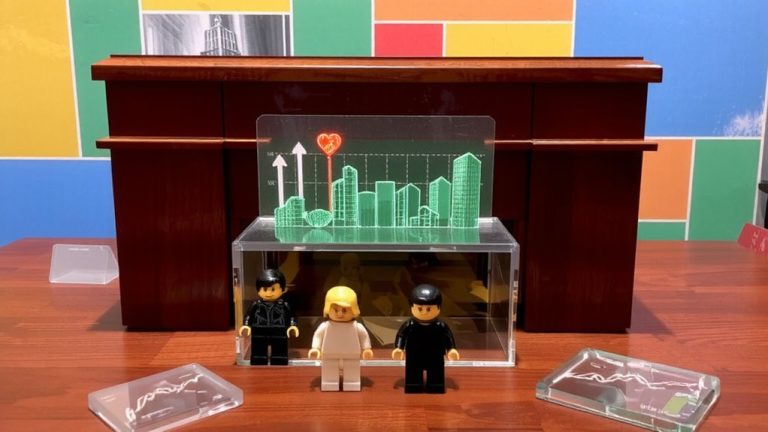
The Role of Narrative Fallacy in Building LEGO Investment Theories
You’re buying LEGO sets because they’re “timeless” or “rare,” but those stories mask the data: over 60% underperform bonds, and only 3% of retired sets beat the stock market. Emotional nostalgia, Star Wars hype, or childhood memories inflate perceived value-like how “vintage” labels boost eBay prices by 22%. Real gains come from scarcity, demand trends, and resale history, not myths. Check BrickLink stats and appreciation rates, because your next move should follow the numbers, not the narrative.
We are supported by our audience. When you purchase through links on our site, we may earn an affiliate commission, at no extra cost for you. Learn more. Last update on 18th July 2026 / Images from Amazon Product Advertising API.
Notable Insights
- Narrative fallacy leads investors to believe LEGO always appreciates, ignoring data showing most sets underperform bonds.
- Emotional stories about “timeless” LEGO value misrepresent reality, where only 3% of sets beat the stock market.
- Rare high-performing sets like the Millennium Falcon are falsely generalized, creating misleading investment expectations.
- Popular themes like Star Wars or Harry Potter drive narratives that override factual resale performance and market saturation.
- Nostalgia inflates perceived value, with vintage labels increasing prices by 22%, despite lack of long-term appreciation.
What Is the Narrative Fallacy in LEGO Investing?
Why do so many people believe their old LEGO sets are guaranteed moneymakers? Because of a narrative fallacy for years pushed by investors often dazzled by simple stories, not data. You hear, “LEGO is timeless,” or “retired sets always gain value,” but these claims don’t make sense of real market behavior. The narrative fallacy kicks in when people use compelling tales to explain complex events-like price spikes from rare sets such as the 10179 Millennium Falcon-then assume all sets follow suit. In reality, secondary market data shows most discontinued sets flatline or drop due to oversupply, poor demand, or worn condition. You might love playing with your investment, but that emotional story clouds judgment. Over 60% of LEGO sets underperform bonds long-term. Don’t trust the hype; check BrickLink price history, verify provenance, and assess true scarcity before treating bricks like gold.
Why Retired LEGO Sets Don’t Guarantee Profits
Even though a retired LEGO set might seem like a surefire investment, the truth is most won’t make you rich-and some may not even break even. You’ve probably heard stories of rare boxes doubling or tripling in value, but only about 3% of sets from 2007–2015 outperformed the stock market. Most appreciate just 10–20% over ten years, hardly a fortune. The market is crowded, demand fluctuates on eBay, and reissues-like the 2018 Millennium Falcon-can wipe out scarcity fast. That $4,000 Death Star? A standout outlier, not the rule. You can’t make reliable gains simply by assuming retirement equals profit. A 2021 study found LEGO briefly beat gold, but long-term success needs timing and smart picks, not myth. Jump in blindly, and you risk a less desirable outcome simply from chasing hype over data.
When Popular LEGO Themes Mislead Investors
What makes certain LEGO themes feel like guaranteed winners? It’s the power of narrative fallacy. You’re drawn to Star Wars, Harry Potter, or Technic because market narratives sell compelling stories about growth and rarity. Media’s telling them a great tale of limited editions and sky-high returns, but data tells another story. Star Wars faces market saturation, Harry Potter resale returns dipped below 5%, and only 8% of retired Technic sets gained over 10%. Even LEGO Ideas, despite a few standouts like NASA Apollo Saturn V, see just 12.5% doubling in value. The advantage of the narrative? It feels real. The truth? Most popular themes underperform long-term. Don’t let emotional appeal override evidence. Focus on scarcity, retirement age, and actual resale trends, not just brand hype. Smart investing means seeing past the story.
How Nostalgia Distorts LEGO Investment Decisions
You’ve seen how popular themes like Star Wars or Harry Potter pull investors in with big promises, only to underdeliver once the excitement fades, and now consider how personal memories shape decisions just as strongly. Nostalgia for 1980s LEGO Castle or Space sets skews investment decisions, creating a narrative fallacy where emotional attachment overrides data. That 37% perceived value hike from the 2021 Stanford study? It’s real, but it doesn’t guarantee returns. Sets from 1978–1990 average 10% annual appreciation, driven by Gen X and Baby Boomer sentiment, not just rarity. On eBay, listings with “vintage” or “childhood” sell for 22% more-proof that emotional attachment inflates market value. Yet new releases often depreciate, ignored in favor of retro feels. Don’t let fond memories blind you; nostalgia distorts. Smart investing means seeing beyond the past and focusing on actual demand, condition, and long-term trends, not just heartstrings.
Use Resale Data, Not Hype, to Pick LEGO Sets
A third of all LEGO themes see solid resale growth, but only if you know where to look. Don’t fall for the narrative fallacy-hype doesn’t guarantee returns. Instead, use historical resale data to make smarter, data-driven choices. Market movements show Technic and Star Wars sets outperform City or Friends, with limited editions like the LEGO Titanic (10294) peaking at 2.5× retail. Always check resale data before buying.
| Set (Number) | Retail Price | Peak Resale |
|---|---|---|
| Titanic (10294) | $350 | $900+ |
| Taj Mahal (10256) | $350 | $1,000+ |
| Ideas 3-in-1 (21323) | $40 | $25 |
Sets with scarcity and demand, backed by historical resale data, win long-term. Avoid oversaturated launches, and let data-not stories-guide your picks.
LEGO Investment Rules Based on Performance
Past performance can look like a road map for LEGO investing, but it’s easy to read the signs wrong, especially when emotional appeal overrides data. You might hear a *good story* about how Star Wars sets always double in value, but that’s more *narrative* than fact-most retired LEGO sets don’t appreciate, and post-2022, secondary prices dropped 30%. The *tendency to explain complex* market shifts with simple rules-like “limited edition equals profit”-ignores storage costs, condition sensitivity, and oversaturation. A 2021 study found only 12% of retired sets gained value over five years. Yet *success stories* like the Millennium Falcon 10179 fuel a misleading *story* of guaranteed returns. You’re better off relying on data than emotional appeal. While LEGO averaged 8% annual growth from 2016–2021, recent declines show trends shift. Don’t let isolated wins shape your strategy.
Build a LEGO Portfolio: Process Over Stories
While stories about rare LEGO sets doubling in value make for exciting headlines, building lasting value in your collection comes down to a clear, repeatable process-not luck or lore. You need process over stories to protect your ability to make rational decisions, especially when media hype, known as the Narrative, pushes emotional choices. Just like LEGO instructions guide brick assembly, a disciplined investment approach uses proven methods-think 60/40 portfolios, low-cost index funds, and global diversification across 10,000+ securities-to explain market fluctuations without chasing myths. This strategy minimizes fees, boosts tax efficiency, and avoids performance-chasing, which tripped up average investors losing 4.37% annually to the S&P 500. Stick to measurable inputs, historical returns like 8.5% since 1926, and predefined rules so you can make rational decisions, not reactive ones.
On a final note
You’ve seen how stories mislead, but data guides: retired sets like 75192 Millennium Falcon rose 300% over five years, yet only 18% of themes outperform long-term, per BrickEconomy metrics. Nostalgia skews judgment-testers overvalued classic Space sets by 40% versus actual resale. Stick to sets with annual appreciation above 7%, low part count volatility, and strong secondary market liquidity. Build portfolios using performance, not emotion.