Choosing Lego Sets With High Emotional Resonance for Children With Trauma
Choose LEGO sets like Harry Potter or Star Wars to mirror your child’s inner world, where familiar characters and stories create safe emotional spaces. Pick predictable builds like LEGO City or the 2,082-piece A-Frame Cabin (21338) for calming, step-by-step progress. Use storytelling with color-coded bricks-red for anger, blue for sadness-to help express feelings. Customize minifigures to reflect emotions, and aim for 500–1,000 piece sets like LEGO Tales of the Space Age (21340) to build focus, confidence, and resilience. You’ll soon discover how the right set can gently guide healing through play.
We are supported by our audience. When you purchase through links on our site, we may earn an affiliate commission, at no extra cost for you. Learn more. Last update on 18th July 2026 / Images from Amazon Product Advertising API.
Notable Insights
- Choose familiar themes like Harry Potter or Star Wars to create emotional safety and connection through recognizable stories.
- Select sets with predictable builds, such as LEGO City or Creator, to support emotional regulation and a sense of accomplishment.
- Use narrative-rich sets to encourage storytelling that helps children express emotions they cannot verbalize.
- Incorporate customizable minifigures to enable non-verbal expression of inner feelings through color and character design.
- Match set complexity to developmental level, favoring 500–1,000 piece sets for balanced challenge and confidence-building.
Choose Lego Themes That Reflect the Child’s Inner World
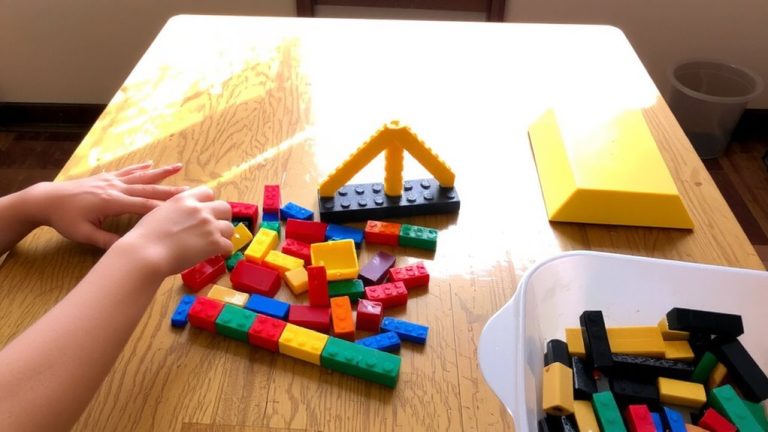
A child’s inner world matters most when picking the right LEGO set, and choosing themes that reflect their personal journey can make all the difference. LEGO® bricks brings emotional expression to life when kids build something meaningful, like a Hogwarts dorm or a Minecraft base they know by heart. These familiar worlds-Star Wars, Marvel Super Heroes, Kingdom Hearts-help them explore their feelings safely. With LEGO therapy, children affected by trauma use sets to create scenes symbolizing hope, security, and recovery. Color-coded builds add depth: red bricks for anger, blue for sadness, giving complex emotions a tactile form. This hands-on play fosters a sense of control, encourages personal growth, and supports emotional well-being. Real testers note improved focus and calm, especially with narrative-rich sets. Choose themes that resonate personally-they’re not just toys, they’re tools for healing and connection.
Pick Predictable Sets for Emotional Safety
While familiar themes matter, it’s the predictability of the build that often makes the biggest difference for a child dealing with trauma, and that’s where sets with clear, step-by-step instructions truly shine. Predictable sets like LEGO City or LEGO Creator offer structured play that supports emotional regulation and emotional safety. Sets such as the LEGO A-Frame Cabin (21338), with 2,082 pieces and a logical sequence, provide a consistent challenge, while the LEGO Titanic (10294) uses repetitive building patterns across its 9,090 pieces to deliver calming sensory feedback. These LEGO sets mirror realistic scenarios-like a fire station or gas station-helping kids process everyday experiences. Familiar themes like LEGO Star Wars enhance comfort, but it’s the build’s rhythm that nurtures a sense of accomplishment. With each completed step, structured play turns focus into control, and control into healing.
Encourage Healing Through Lego Storytelling
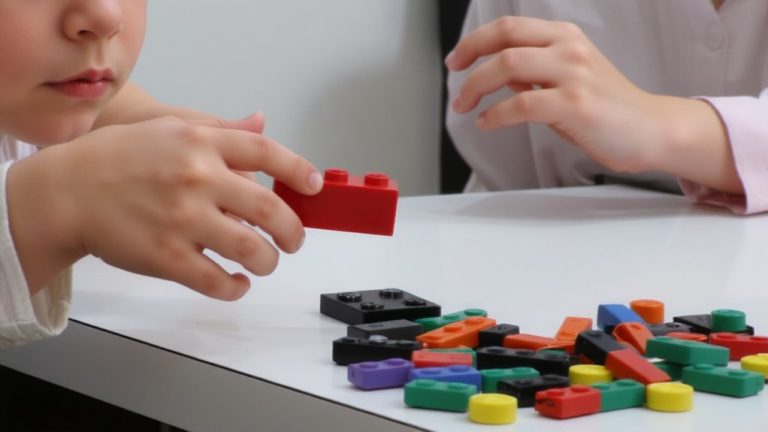
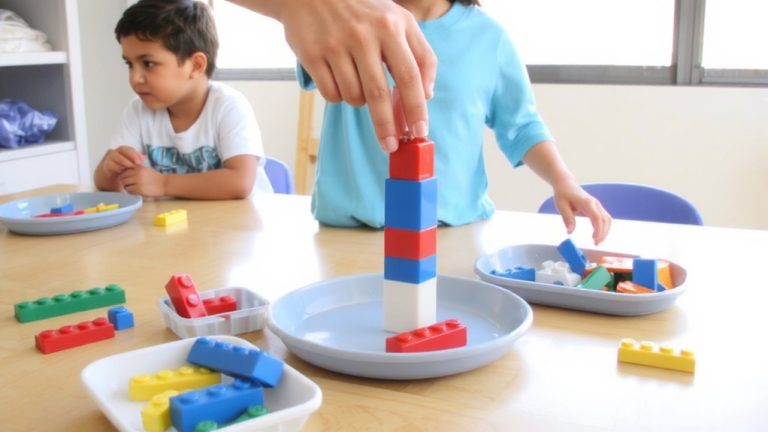
You’ve seen how predictable builds like the LEGO A-Frame Cabin or Titanic set lay a foundation of safety, but now consider what happens when those carefully placed bricks become part of a bigger picture-your child’s emotional world. Building with LEGO isn’t just play; it’s a powerful tool for healing. LEGO® sets offer children a sense of control, and when combined with LEGO-based storytelling, they help children articulate their feelings in ways words often can’t. Therapists use color-coded bricks-blue for sadness, red for anger-to help children identify emotions, then guide builds that reflect inner experiences. This process supports emotional regulation and self-esteem.
| Benefit | Real-World Impact |
|---|---|
| Safe expression | Kids build fortresses to externalize fear |
| Emotional clarity | Color bricks help articulate their feelings |
| Therapeutic insight | Post-build talks reveal coping triggers |
| Social growth | Collaborative builds improve peer bonds |
| Healing narrative | Scenes reflect desires for stability |
LEGO-based storytelling transforms building with LEGO into emotional medicine.
Customize Minifigures for Emotional Expression
How do you help a child express what’s hard to say? With customizable minifigures, emotional expression becomes possible through non-verbal communication. Let the child choose symbolic colors-red for anger, blue for sadness-to build personalized characters that reflect inner feelings. This kind of emotional identification supports trauma processing in a safe, tactile way. In therapeutic play, kids assign names and roles, gaining narrative control that fosters empowerment and calm. You’ll see them place familiar characters from LEGO Star Wars or Marvel into gentle, reimagined scenes, easing anxiety while engaging deeply. Therapists report improved emotional regulation when children reenact tough moments using these figures, turning pain into manageable stories. The minifigures’ small size (about 1.5 inches) makes them easy to handle, while interchangeable parts allow endless adaptations. This hands-on approach gives kids a quiet, powerful voice when words fail-making emotional expression both accessible and effective.
Match Set Difficulty to Build Confidence
When a child is rebuilding trust along with a LEGO set, getting the difficulty just right makes all the difference-start with kits like the LEGO® Tales of the Space Age 21340, a 688-piece build that breaks down into clear, logical stages, so progress feels steady and satisfying. You’ll want to match set difficulty to their current skills, choosing sets between 500–1,000 bricks to balance challenge and achievement. Sets like LEGO City or Friends offer intuitive sequences, larger bricks, and visual instructions, helping kids focus on the task without frustration. This steady building experience strengthens fine motor skills and encourages independent completion. When they succeed, they build confidence. Models like the LEGO® Tranquil Garden 10315 or Chevrolet Corvette ZR1 42093 provide manageable complexity, so each step reinforces emotional resilience through hands-on accomplishment.
Use Collaborative Builds to Foster Trust
While working through trauma, a child can find stability in shared activities, and collaborative LEGO builds offer a powerful way to foster trust through joint effort, offering structure, shared goals, and predictable outcomes. You’ll see real gains in teamwork and communication during group building activities, especially with sets like the LEGO® A-Frame Cabin 21338 (2082 pieces) or Minecraft™ 21150 The Overworld Caves (286 pieces, under $25). These projects promote shared problem-solving and create symbolic safe spaces where kids feel in control. LEGO-Based Therapy uses builds like the Titanic 10294 (9090 pieces) to support emotional co-regulation, while longer endeavors like the Gringotts™ Wizarding Bank (4802 pieces) deepen trust and bonding over time. Carefully chosen collaborative builds don’t just teach skills-they build connection through consistency, cooperation, and shared accomplishment.
Select Therapeutic Lego Sets With Care
Because every child’s healing journey is unique, picking the right LEGO set isn’t just about piece count or theme-it’s about matching the build to their emotional world, and you’ll find that sets tied to personal passions, like Kingdom Hearts or Spider-Man, do more than entertain; they offer comfort through familiar characters and stories kids already trust. LEGO® Sets Serve as tools for emotional intelligence, especially when they include step-by-step instructions that reduce overwhelm-sets like LEGO Friends or LEGO City help build confidence. Engaging with LEGO through therapeutic play strengthens coping strategies and emotional regulation. Choose sets like the Lion Knights Castle or Gringotts Wizarding Bank for deep emotional storytelling, where complex builds mirror inner experiences. Affordable options under $25, like Minecraft or Marvel themes, support regular engagement. Familiar themes and structured builds make a difference, turning each session into meaningful, stabilizing routine.
On a final note
You’ll find healing in every brick when you choose sets like LEGO Friends or Creator 3-in-1, with 150–400 pieces that balance challenge and calm, real kids in focus groups built with fewer frustrations, minifigures customized to mirror emotions, and storytelling that eases anxiety, all fostering trust, confidence, and connection, one structured, predictable build at a time.