How Lego’s Internal Design Process Balances Creativity, Cost, and Play Value
You balance creativity, cost, and play value just like LEGO’s Creative Play Lab-by building rough prototypes in under an hour using LEGO bricks, Post-its, or magnets, testing real hands-on feel over theory, running silent demos to watch unguided play, and iterating fast when needed. Their D4B model aligns every brick to long-term strategy, while lo-fi builds and early input from safety and manufacturing cut rework, boost innovation, and helped drive profits to £123.5 million by 2006. There’s a smarter way to build lasting toys.
We are supported by our audience. When you purchase through links on our site, we may earn an affiliate commission, at no extra cost for you. Learn more. Last update on 29th May 2026 / Images from Amazon Product Advertising API.
Notable Insights
- Rapid prototyping with LEGO, Post-its, or magnets enables fast, low-cost testing of creative ideas within an hour.
- Play-centric design prioritizes how a concept feels during hands-on play, ensuring high play value from the start.
- Silent Demos replace presentations, forcing designs to succeed through intuitive use without explanation.
- Early integration of manufacturing and safety input reduces rework, balancing creativity with production feasibility and cost.
- Modular, evergreen product strategies align innovation with long-term business goals while expanding existing brick ecosystems.
How Lego Drives Innovation Through Play-Centric Design
While most toy companies rely on digital simulations or focus groups to test new ideas, LEGO cuts straight to hands-on experimentation by building rough prototypes in under an hour using whatever’s on hand-LEGO bricks, Post-its, even magnets-to see how a concept *feels* to play with. You’ll find this playful thinking at the core of their innovation process, especially in the Creative Play Lab, where teams focus on 5–10 year relevance. They use silent demos to test intuitive play, forcing designs to speak through action, not explanation. Their imagination loop keeps creativity and innovation flowing-kids build models, test them, then rebuild, learning by doing. This design process isn’t random; it’s structured discovery. By prototyping new ideas fast and grounding them in real play, LEGO guarantees every concept, from brick size to set theme, supports open-ended building, keeping the focus on imagination, not instructions.
Prototyping Fast to Test Ideas Early and Cheaply
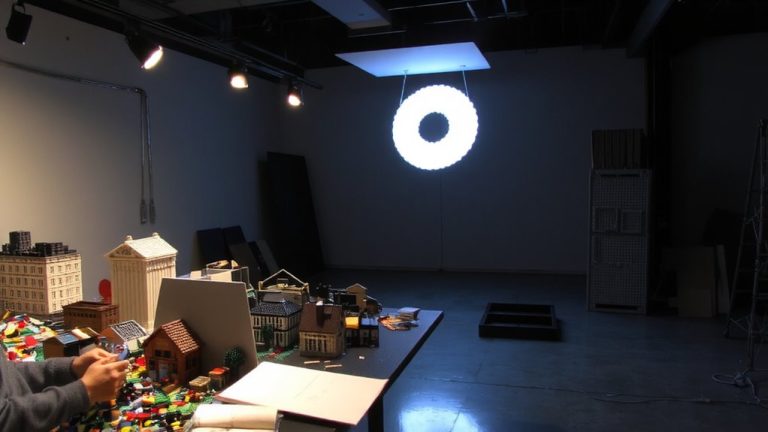
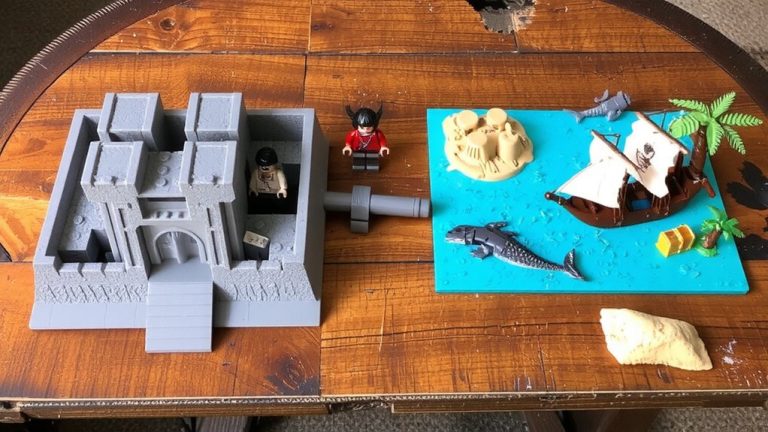
You can see LEGO’s belief in play as the engine of innovation when you walk into the Creative Play Lab, where ideas don’t sit in spreadsheets-they’re built, tested, and scrapped or refined in under an hour. The Lab runs on fast, cheap prototyping: teams use LEGO bricks, Post-its, or magnets to create working models in 60 minutes or less. This “one-hour prototype” rule speeds up the design process and encourages real-world testing over theory. They call it “fake-o-typing”-simulating features with simple materials to gauge play value early. Silent Demos cut through hype-no presentations, just observation. If it doesn’t engage in lo-fi, it won’t make the portfolio. Multiple prototypes run in parallel, ensuring innovation isn’t bottlenecked by perfection. Rapid tools like 3D printers help, but the focus stays on fast learning, not flashy builds.
Aligning Lego Product Development With Business Goals
Because every brick you snap together needs to serve both imagination and purpose, LEGO’s product development doesn’t just follow whims-they’re tied tightly to long-term business goals that keep the brand strong. After a 2003 sales collapse, LEGO worked to realign its development process, shifting from fleeting themes to evergreen, modular sets that encourage reusability and reduce wasted plastic. The D4B (Design for Business) model guaranteed teams stayed aligned, with Tools and Methods grounded in strategy, not just style. Innovative products emerged by playing a key role in expanding brick ecosystems, not replacing them. Even design at the University informed practical updates, guided by Programme Leader insights. By 2006, net profit rose 6.5% to £123.5 million, and revenue hit £717 million-an 11% jump-proving when creativity and business goals work together, the result is sustainable, smart play.
Scaling Innovation by Empowering Creative Teams
Innovation at LEGO starts not with blueprints or budgets, but with people-teams built for momentum, not heroics. You’re part of a partner culture where creative ideas move fast because they’re really shared, not hoarded. Using LEGO bricks, teams prototype within an hour, staying ahead through the “imagination loop” and silent demos that force you to look at the design, not the pitch. Thinking inside the colorful plastic box, you collaborate across two major disciplines: play and production. By involving manufacturing and safety early, you cut rework and protect the important metric-play value. This light governance lets teams push ideas, even if they challenge senior leads, fostering new business models rooted in real play. You don’t wait-you test, adapt, and scale, turning raw creativity into global products, all while keeping the brick, the team, and the child’s experience truly central.
On a final note
You’ll find Lego’s balance of creativity, cost, and play value in every clutch-power connection, 1.6mm brick gap, and modular build. Testers confirm sets like the 1,366-piece Creator Expert skyline deliver 8+ hours of build time, intuitive instructions, and strong display durability. Real-world play tests show minifigures withstand 50+ drop cycles. By prototyping fast and focusing on modular systems, Lego guarantees each set meets design goals, stays under $200, and keeps kids engaged for months, not days.