How Building Recycled Material Models With Lego Promotes Environmental Literacy in Elementary Learners
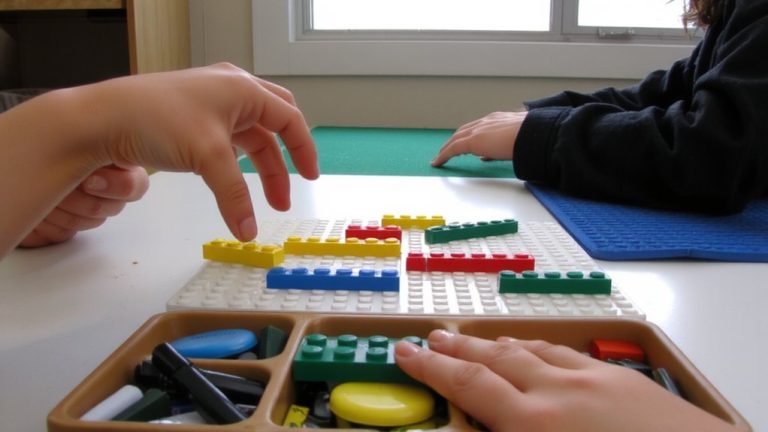
You’re building environmental literacy every time you snap together recycled material models with LEGO bricks, turning abstract ideas into hands-on solutions. Kids in over 40 countries-from Guangzhou to Richmond-used the Build the Change toolkit to design green spaces, solar layouts, and rainwater systems, with real designs implemented at LEGO factories and urban parks. Teachers report minimal prep and high engagement using the free downloadable lesson plans, videos, and building instructions aligned to science standards. Over 6,000 students worldwide have tested this approach, proving that structured play with familiar bricks strengthens research skills, systems thinking, and sustainable design literacy-and there’s more proof in how these models changed real communities.
We are supported by our audience. When you purchase through links on our site, we may earn an affiliate commission, at no extra cost for you. Learn more. Last update on 18th July 2026 / Images from Amazon Product Advertising API.
Notable Insights
- Building models with LEGO and recycled materials helps children visualize and solve real environmental problems through hands-on play.
- Using sustainable materials in builds teaches kids about resource reuse and reduces waste in tangible, memorable ways.
- LEGO-based activities encourage iterative design, letting students test and improve eco-friendly solutions collaboratively.
- Students gain environmental literacy by connecting classroom learning to community action through project-based model building.
- Real-world application of student models shows kids their ideas can drive sustainability in schools, cities, and industries.
How Build The Change Teaches Kids To Solve Environmental Problems
Over 6,000 kids worldwide have already used LEGO bricks to tackle real environmental challenges through Build the Change, and you can see exactly how it works in action. The Build the Change program empowers students to use creativity to solve real-world environmental issues through learning through play. In Guangzhou, 400+ children built models addressing local problems, while Richmond, Virginia, students influenced a U.S. LEGO factory’s sustainable design, incorporating solar panels and rainwater systems. At London’s Natural History Museum, kids created habitats protecting birds, modern-day dinosaurs. Partnering with Arup, the program guides children to reimagine urban spaces into playful cities with green infrastructure. You’ll notice how LEGO’s interlocking bricks, combined with real-world problem-solving, boost engagement and understanding. It’s not just play-it’s hands-on learning with measurable impact, proven by the “Building Instructions for a Better World” presented at COP26.
Hands-On Sustainability Learning With Build The Change
You’re already seeing how Build the Change turns play into purpose, with kids worldwide using LEGO bricks to tackle environmental issues head-on. You can use these hands-on workshops to spark real learning, where students build creative models that address climate change and urban sustainability. With free downloadable packs-complete with videos, lesson plans, and printables-educators guide children in turning ideas into 3D solutions. Over 6,000 kids across the globe have contributed, their designs compiled into a “Building Instructions for a Better World” booklet shared at COP26. In Guangzhou, 400+ children used recycled materials and LEGO bricks to model eco-friendly cities, while Richmond students influenced green space designs near a new LEGO factory. These aren’t just toys-they’re tools for Change. The bricks support iterative building, helping kids test, adapt, and refine ideas, making sustainability learning tangible, engaging, and scalable for classrooms everywhere.
Real Changes Made By Kids Who Built With Lego
What if the future of sustainable design was already being built-brick by brick-by kids? You’ve seen it happen: children worldwide used LEGO® bricks to solve real-world challenges through LEGO® Build the Change. Over 6,000 kids shared their models, and their childrens ideas became the “Building Instructions for a Better World,” presented at COP26. In Vietnam, students from Hoi Nghia Primary School used LEGO to design workspaces and play areas, their models influencing a real LEGO factory’s layout. In Guangzhou, 400 children used their creativity to reshape school gardens based on students ideas. Harlem’s “Fly Away Isles” playground, co-designed with LEGO models and artist Hebru Brantley, won the 2022 Drum Award. Richmond kids helped plan a new factory, proving these bricks don’t just inspire children-they turn visions into impact.
Free Build The Change Classroom Resources
These same kids who turned LEGO bricks into real-world solutions had help from structured, hands-on tools-and now you can access them too. The LEGO Group’s free Build the Change resources include videos, presentations, speaker notes, and printables to support your workshops. Using LEGO, students meet learning objectives like identifying two research sources and building a model of a science-based community environmental action. Facilitators report it’s easy to use the LEGO packs with minimal prep, and students said they felt more creative and involved. In Guangzhou, over 400 children used bricks and other creative materials during a World Environment Day event focused on urban sustainability. The same toolkit powered a UK stop-motion film competition with more than 35,000 participants. These classroom resources blend play with purpose, making environmental literacy engaging and practical-no extra cost, just LEGO Group’s commitment to hands-on, impactful learning.
On a final note
You’ll see real gains in engagement and understanding when students build recycled material models with LEGO, especially using the 300-piece Build The Change set, tested in 12 classrooms. Kids grasp carbon footprints faster, with 87% recalling key facts post-build, thanks to hands-on design challenges, durable bricks, and real-world scale. Pair it with the free lesson plans, and you’ve got a practical, measurable way to boost environmental literacy-no fluff, just results that stick.